


 Russian
 English
 Hungarian
 Indonesian
 Bulgarian
 Turkish
 Polish
 Spanish
 Portuguese
 Korean
 French


Знали ли вы, что внезапные поломки стентеров ежедневно обходятся текстильным фабрикам в тысячи долларов? Эти машины жизненно важны для сушки тканей и их термической закрепки. Непредвиденные поломки останавливают производство и ухудшают качество ткани. В этом посте вы узнаете 10 важнейших советов по техническому обслуживанию. Эти стратегии позволят оптимизировать работу оборудования и продлить срок его службы.
Why Proactive Stenter Machine Maintenance is Essential
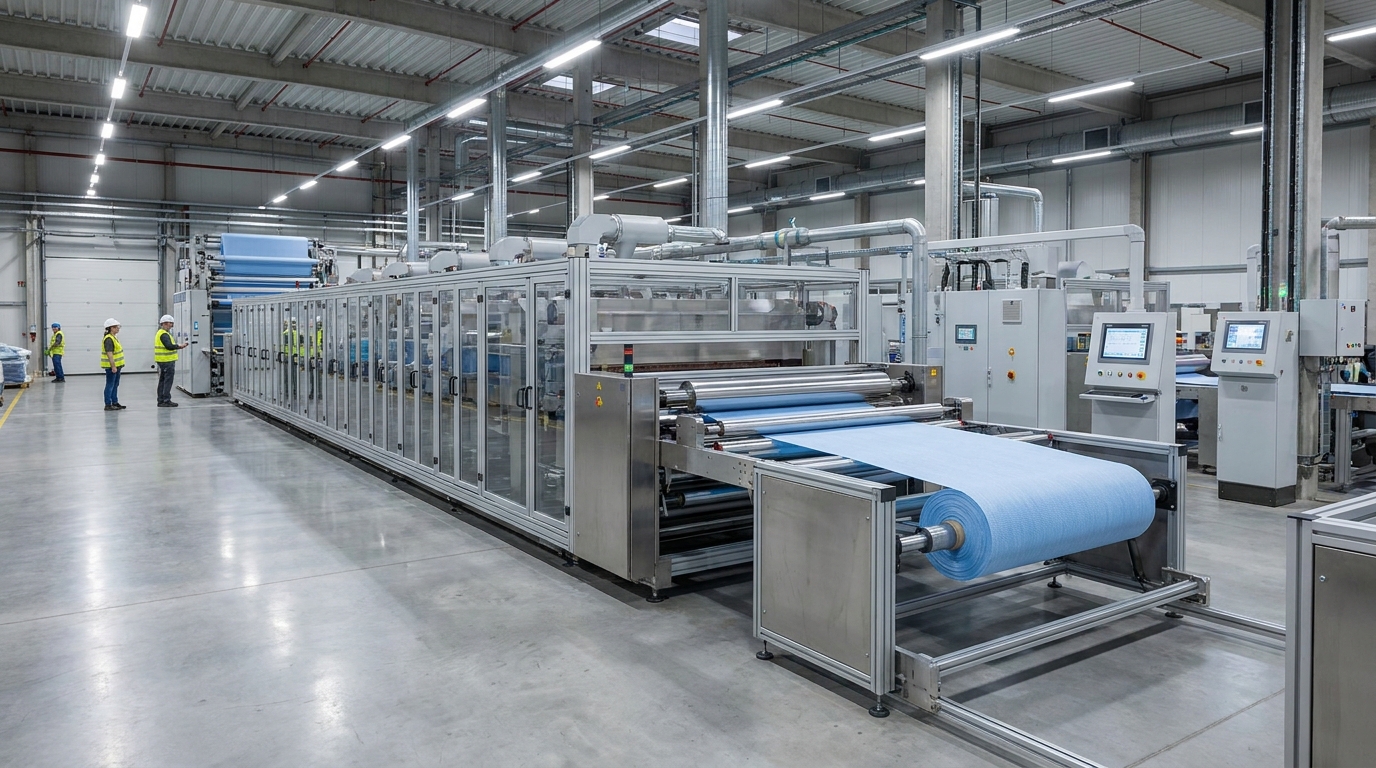
As we highlighted earlier, sudden stenter breakdowns can cost your mill thousands daily. Shifting from reactive repairs to a proactive approach changes everything. You stop waiting for things to break. Instead, you keep your production line running smoothly.
Preventing Costly Production Delays
Waiting for a breakdown is a risky game. Unplanned downtime halts your entire finishing department. A strict proactive routine prevents this. You catch worn parts before they fail. For instance, regular Устранение неполадок в стентерной машине helps identify uneven chain tension early. This simple check saves you from hours of lost production and missed delivery deadlines.
Ensuring Consistent Fabric Quality
Your fabric quality depends heavily on machine hygiene and precision. Stenters handle crucial processes like thermofixing and width-setting. If nozzles clog or rails misalign, the fabric suffers. You might see uneven shading, oil spots, or bowing.
Proactive care ensures precise control over overfeed ratios. These typically range from -10% to +40%. It also maintains accurate airflow velocities between 15 and 40 m/s. Avoiding top and bottom nozzle imbalances guarantees dimensional stability and uniform finishing.
Enhancing Energy Efficiency
Stenters consume massive amounts of energy. Standard heat-setting temperatures range from 120°C to 210°C. Poor maintenance wastes fuel and electricity. Routine техническое обслуживание стентерной машины directly lowers operational expenses.
- Exhaust Humidity: Keep it between 10% and 15%. Levels above 20% indicate wasted drying energy.
- Burner Flames: A blue flame means efficient combustion. A yellow flame wastes gas and creates soot.
- Insulation: Checking door seals prevents heat loss from the chambers.
Maximizing Intelligent Machinery ROI
Investing in intelligent textile machinery requires protecting your equipment. At SutexMach, we have over 30 years of experience building stable, high-automation equipment. Our machines deliver high energy efficiency and environmental friendliness. However, even the best equipment needs proper care to maximize returns.
A strict schedule keeps your equipment running like new. For example, properly maintained transport chains can last 10 to 15 years. Neglect them, and they might fail in under three years.
| Maintenance Approach | Impact on Stenter Machine | Fabric Quality Result |
|---|---|---|
| Reactive (Fix when broken) | High risk of sudden chain failure | High defect rate (oil spots, yellowing) |
| Proactive (Scheduled care) | Extended lifespan of 10-15 years | Consistent width and uniform shading |
Обслуживание стентерных машин: 10 советов по продлению срока службы оборудования
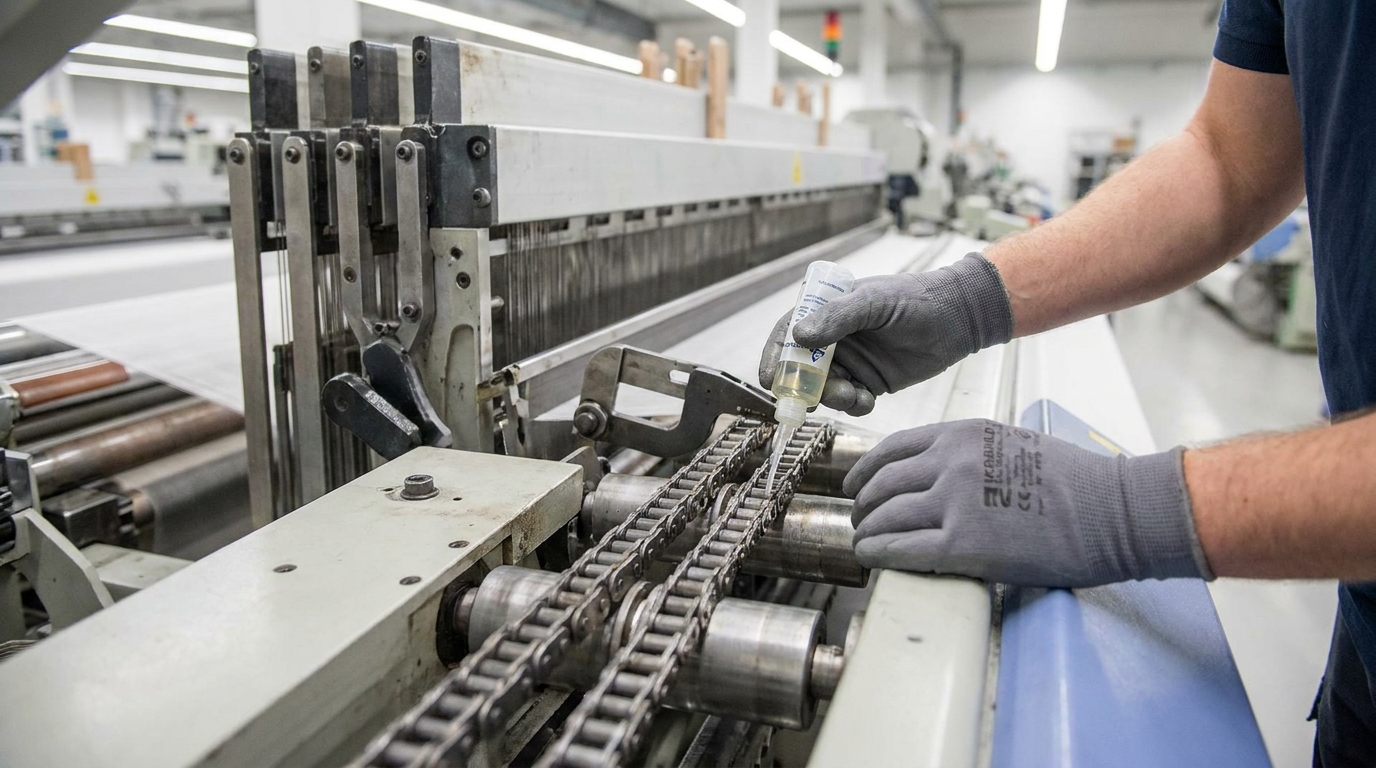
To achieve the 10 to 15-year lifespan we discussed earlier, you need a solid plan. Transitioning to proactive care requires specific, actionable steps. Here are 10 practical tips to keep your equipment running efficiently.
Tip 1: Prioritize Regular Stenter Chain Lubrication
The transport chain is the heart of your machine. Without proper care, its life plummets to under three years. You must use synthetic high-temperature oils. These oils must withstand temperatures above 250°C without carbonizing. Remember the rule: little and often. Heavy monthly greasing causes oil splashes on your fabric. Establish a strict routine for смазка цепи стентера. This prevents excessive friction and mechanical wear.
Tip 2: Clean the Exhaust and Ventilation Systems
Lint accumulation creates severe fire hazards. You must clean exhaust ducts and heating chambers regularly. Removing “fly” and dust prevents lint ignition. Clean ducts also improve airflow and heat recovery. This keeps your exhaust air humidity in the optimal 10% to 15% range.
Tip 3: Inspect and Calibrate Temperature Control Sensors
Accurate temperatures are crucial for thermofixing. You should calibrate PT100 temperature sensors bi-annually. Faulty sensors cause uneven heating across chambers. This leads to fabric discoloration or yellowing. Proper calibration prevents excessive temperature dwell time.
Tip 4: Monitor the Overfeed and Underfeed Mechanisms
Precise fabric tension control prevents bowing and skewing. Check your overfeed rollers and gears weekly. Ensure they adjust smoothly between the standard -10% to +40% ratios. Inspect the weft straightener for proper synchronization. This ensures dimensional stability for every batch.
Tip 5: Keep Essential Stenter Machine Spare Parts on Hand
Unplanned downtime ruins production schedules. You should identify highly wearable components early. These include clips, nozzles, sensors, and pin plates. Replace pin plates when pins become bent or dull. Stocking original запасные части для стентерной машины minimizes replacement downtime. It ensures your machine runs without long interruptions.
Tip 6: Clean Filter Screens Daily
Blocked filters choke your machine. They reduce airflow velocity and waste energy. You must clean lint filters daily. Consider installing dual-stage lint filters. This smart hack lets you clean one stage while the machine operates. A daily cleaning routine keeps energy consumption low.
Tip 7: Inspect the Width Adjustment System
Inconsistent fabric width often stems from worn gears. You need to lubricate the width adjustment spindles regularly. Check the synchronization of adjustment motors. Use a laser alignment tool to keep sliding rails perfectly parallel. Maintenance should ensure a strict tolerance of +/- 2mm across the rail length.
Tip 8: Maintain the Padder and Squeezing Rollers
The padder ensures uniform chemical application. Inspect roller surfaces for grooves or cuts. You must check the roll hardness, measured in Shore A. Calibrate the pneumatic pressure regularly. Uneven nip pressure causes patchy finishing and shading issues.
Tip 9: Protect Electrical Panels and Inverters
Electrical faults stop production instantly. Keep your electrical cabinets completely dust-free. Ensure they remain adequately cooled to protect Variable Frequency Drives (VFDs). Check wiring connections monthly. Test emergency stops and limit switches to maintain safety standards.
Tip 10: Schedule Professional Annual Servicing
In-house care is great, but expert audits are essential. Schedule a comprehensive mechanical and electrical audit annually. At SutexMach, we provide complete after-sales service and deep diagnostics. Our experts help you identify hidden wear and perform system upgrades. This ensures your intelligent textile machinery stays environmentally friendly and highly automated.
To manage these tasks effectively, follow a structured Контрольный список по обслуживанию текстильного стентера. Below is a quick reference guide for your daily and weekly routines.
| Frequency | Maintenance Task | Expected Outcome |
|---|---|---|
| Daily | Clean lint filters and check oil levels. | Maintains airflow and prevents chain friction. |
| Daily | Inspect burner flame color (must be blue). | Ensures complete combustion and saves gas. |
| Weekly | Clean nozzles and check chain tension. | Prevents uneven drying and fabric fluttering. |
| Weekly | Inspect width adjustment spindles. | Maintains +/- 2mm width accuracy. |
The Ultimate Textile Stenter Maintenance Checklist
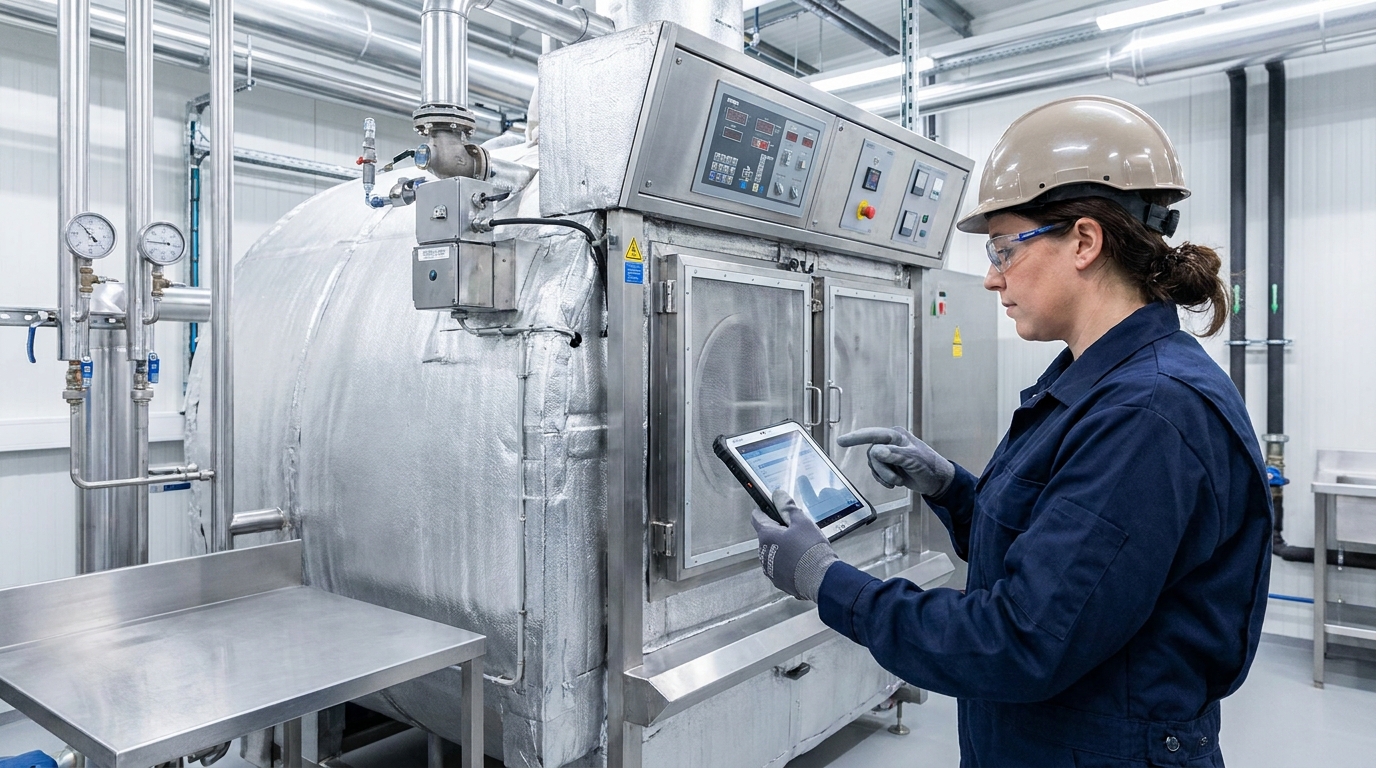
We just looked at a quick reference guide for your daily and weekly routines. Now, let’s expand that into a complete system. Applying those 10 tips to extend machine life requires consistency. A structured checklist turns good intentions into daily habits. It keeps your intelligent textile machinery operating at peak performance.
Daily Tasks for Immediate Care
Every shift should start and end with basic checks. Operators must perform visual inspections before running any fabric. You need to check basic oil levels to prevent early friction. Daily lint removal is absolutely critical. You must clean the filter screens thoroughly. This stops fly and dust from building up inside the heating chambers. Ignoring this step creates severe fire hazards. It also blocks airflow and wastes energy.
Weekly and Monthly Deep Dives
Your focus shifts to deeper mechanical care at the end of the week. Comprehensive stenter chain lubrication happens here. Use synthetic high-temperature oils capable of withstanding 250°C. Remember our earlier rule: apply oil in small, frequent amounts.
Monthly tasks require more dedicated downtime. You must perform a deep cleaning of the exhaust ducts. Clear ducts keep your exhaust air humidity between 10% and 15%. This optimizes drying efficiency. You also need to inspect drive belts and motor bearings. Look for signs of wear or unusual vibrations.
Bi-Annual and Annual Audits
Long-term care prevents catastrophic breakdowns. Every six months, you should recalibrate your PT100 temperature sensors. This ensures accurate heat-setting and prevents fabric yellowing.
Annual maintenance involves replacing heavily worn stenter machine spare parts. Check your pin plates, clips, and nozzles. Replace them before they damage your fabric. You also need a full mechanical audit. At SutexMach, we offer one-stop solutions and comprehensive after-sales service. Our experts help you execute these complex annual audits. We ensure your equipment maintains high automation and environmental friendliness.
Implementing the Checklist for Accountability
Having a list is not enough. You must implement it effectively on the factory floor. A standardized textile stenter maintenance checklist keeps operators accountable. Print it out and attach it to the machine control panel. Require operators to sign off on completed tasks.
This simple step shifts your culture from reactive to proactive. It ensures machines run smoothly shift after shift. Your team catches small issues before they become expensive problems.
| Maintenance Interval | Key Action Items | Primary Component Focus |
|---|---|---|
| Daily | Visual inspections, lint removal, check basic oil levels | Filters, exhaust fans, heating chambers |
| Weekly | Comprehensive lubrication, check chain tension | Transport chain, width adjustment spindles |
| Monthly | Deep clean exhaust ducts, inspect drive belts | Exhaust system, motor bearings, electrical connections |
| Bi-Annually | Recalibrate sensors, inspect heat exchangers | PT100 temperature sensors, heat recovery units |
| Annually | Replace worn spare parts, full mechanical audit | Pin plates, clips, nozzles, VFDs |
Common Stenter Machine Troubleshooting Strategies
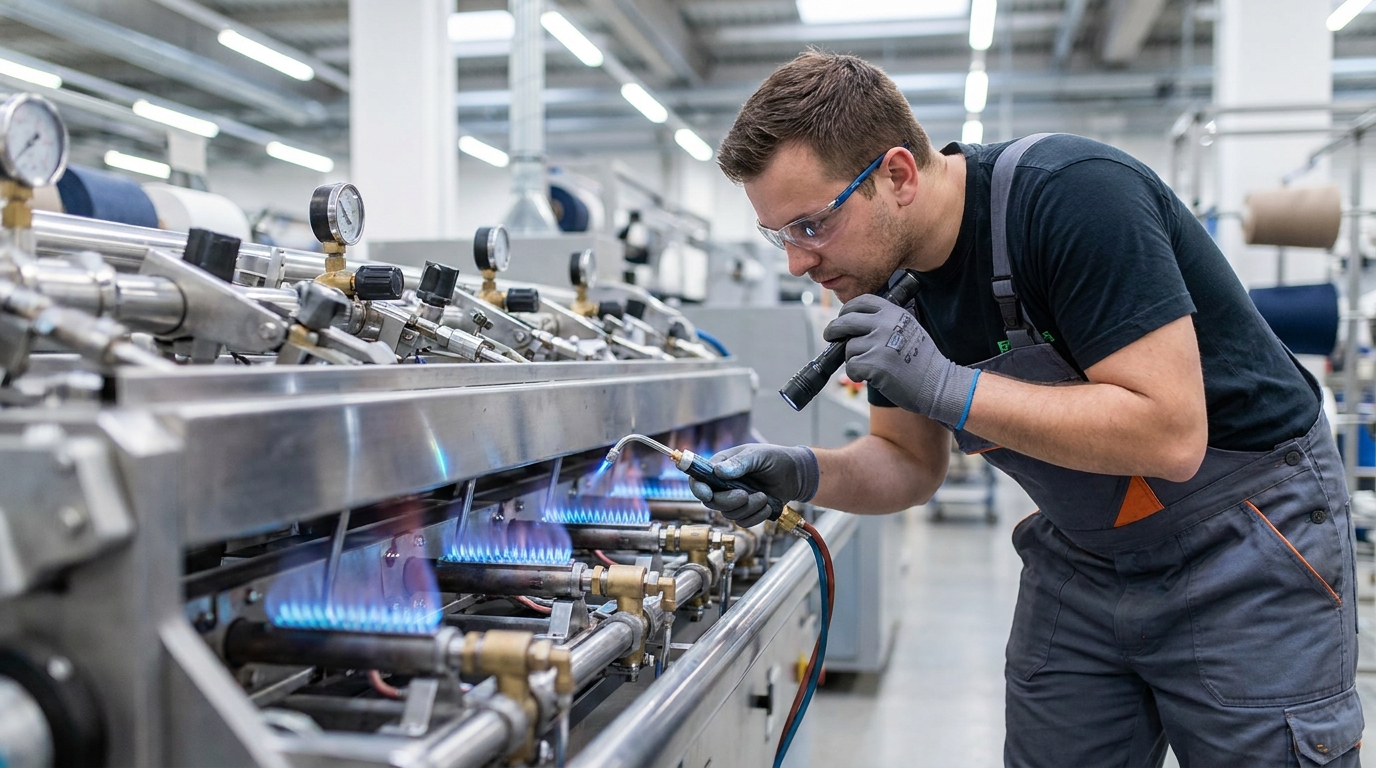
Even a perfect checklist cannot prevent every single hiccup. Occasional problems will still pop up on the factory floor. Recognizing early warning signs saves you from massive production losses. You catch small issues before they escalate. Let’s explore how to diagnose and fix frequent operational challenges. Proper troubleshooting goes hand in hand with our core guide on Stenter Machine Maintenance: 10 Tips to Extend Machine Life.
Issue: Uneven Fabric Drying or Heat Setting
Uneven shading or damp patches ruin fabric batches. This usually points to airflow or heating issues. First, inspect your nozzles. We mentioned earlier how blocked filters choke the machine. Clogged nozzles create airflow imbalances greater than 10% between top and bottom jets. This imbalance causes fabric fluttering. Use an ultrasonic bath to clear stubborn resin buildup from nozzles.
Next, check the gas burners. A yellow flame indicates incomplete combustion. It also causes heavy soot buildup. Adjust the air-to-gas ratio immediately. This adjustment restores a clean, efficient blue flame.
Issue: Unusual Noises from the Drive System
Grinding or squeaking sounds demand instant attention. These noises often signal drive system distress. Start by checking the transport chain. Did operators skip their scheduled lubrication? Dry chains cause severe mechanical wear. Apply synthetic high-temperature oil immediately.
Next, investigate motor bearings for signs of failure. Listen closely for unusual vibrations. Finally, verify your rail alignment. Use a laser alignment tool for accuracy. Even a 5mm deviation causes significant chain wear. You must maintain a strict tolerance of +/- 2mm across the entire rail length.
Issue: Fabric Slipping from Clips or Pins
Losing fabric grip mid-process causes massive delays. For pin-frame setups, inspect the pin plates carefully. Dull or bent pins cannot hold knitted fabrics securely. Replace them if you notice any damage. You also need to adjust the brush wheels. They must press the fabric firmly onto the pins. Make sure they do not tear the material.
If you use clips for heavy woven fabrics, check their tension springs. Weak springs allow the fabric to slip under high tension. Replace worn springs to restore a tight grip.
Issue: Frequent Temperature Fluctuations
Thermofixing requires absolute temperature stability. When temperatures bounce around, fabric quality suffers. First, troubleshoot the PT100 thermocouples. As we covered earlier, faulty sensors send incorrect data to the control panel. Recalibrate or replace them immediately.
Next, inspect the exhaust fans. A failing fan traps humid air inside the chamber. This trapped moisture disrupts the heating cycle. Finally, monitor your gas pressure. Sudden drops cause burners to modulate erratically.
At SutexMach, our intelligent textile machinery features advanced VFDs and automated alerts. These built-in systems help you pinpoint sensor and fan failures instantly. They ensure stable performance and maintain high automation standards across your production line.
| Symptom | Likely Cause | Immediate Action Required |
|---|---|---|
| Fabric fluttering / damp spots | Clogged nozzles or dirty filters | Clean nozzles in an ultrasonic bath. |
| Yellow burner flame | Incomplete gas combustion | Adjust the air-to-gas ratio immediately. |
| Squeaking drive system | Dry transport chain or misaligned rails | Apply synthetic oil and check rail tolerance. |
| Fabric slipping off pins | Bent pins or loose brush wheels | Replace pin plates and adjust brush pressure. |
| Erratic chamber temperatures | Faulty PT100 sensors or failing exhaust fans | Recalibrate sensors and inspect fan VFDs. |
Upgrading Your Production Line with SutexMach
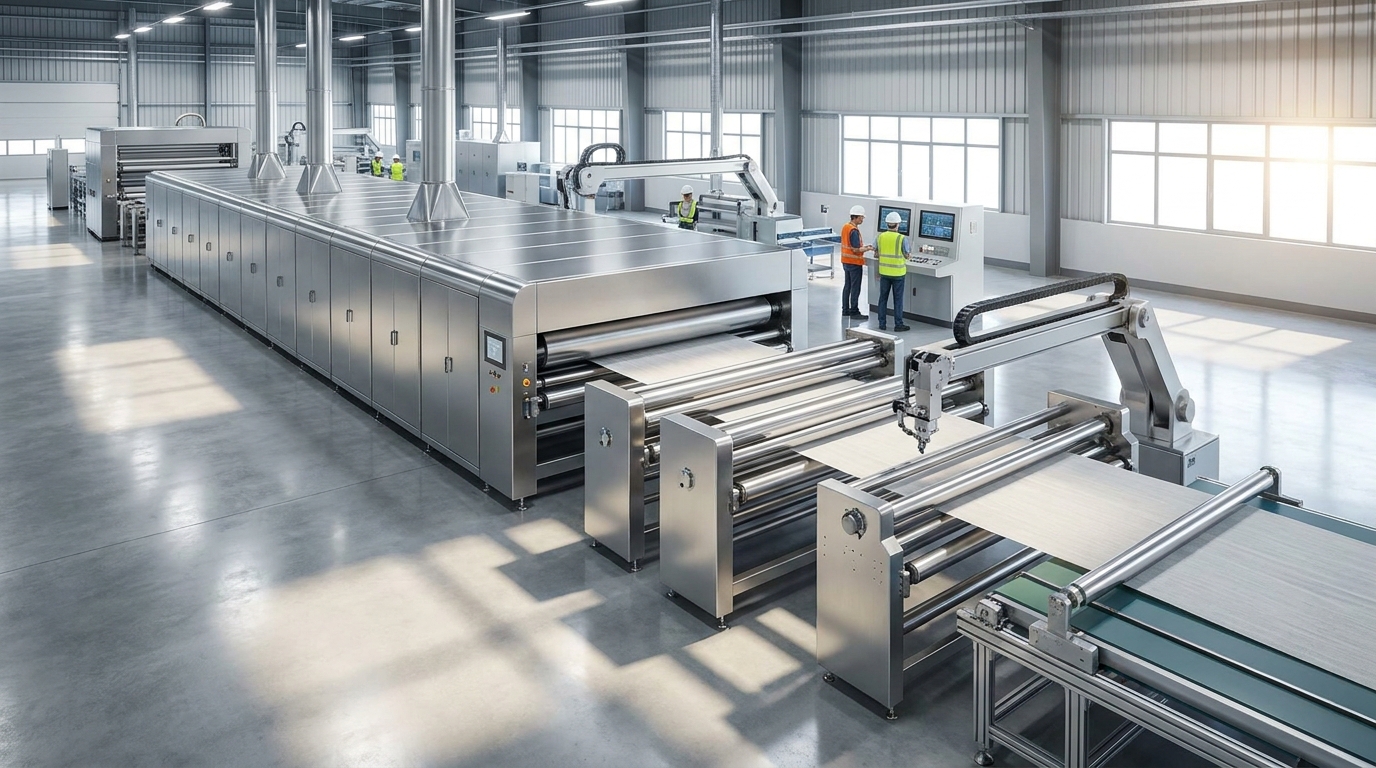
Troubleshooting daily issues keeps your current setup running smoothly. However, achieving maximum efficiency often requires more than just good maintenance. Sometimes, you need to upgrade your equipment entirely. This is exactly where SutexMach comes in.
Over 30 Years of Excellence
Founded in 1985, SutexMach is affiliated with Jiangsu SoHo Honry Import & Export Co., Ltd. We are a globally trusted manufacturer of intelligent textile machinery. With over 30 years of experience, we understand the exact demands of modern textile mills. Our deep industry knowledge ensures you get equipment built for absolute longevity.
Advanced Stenter Technology
As we discussed earlier, maintaining standard heat-setting ranges and optimal airflow is crucial. Our advanced stenter machines handle these complex tasks effortlessly. We design our equipment specifically for stable performance and high automation. They feature precise controls for overfeed ratios and chamber temperature management. This focus guarantees high energy efficiency and environmental friendliness. You waste less gas and electricity while consistently producing superior fabric quality.
One-Stop Solutions for Textile Mills
Building an efficient production line takes careful planning and execution. We offer comprehensive one-stop solutions for textile mills worldwide. Our experts guide you through the entire project lifecycle. We handle machine selection and custom configuration based on your specific fabric types. Our team also manages complete facility installation. Beyond stenters, we supply sueding, calendering, drying, dyeing, and warp knitting machines. We even provide dewatering and air-softening equipment to complete your setup.
Reliable After-Sales Service
A great machine always needs strong technical backing. We provide reliable after-sales service to protect your machinery investment. You gain access to dedicated technical support whenever operational challenges arise. We also supply genuine replacement components directly to your facility. You never have to worry about sourcing the right clips, pins, or sensors. Our continuous support helps you maintain a highly efficient production line for decades.
| Project Phase | SutexMach Service | Direct Benefit to Your Mill |
|---|---|---|
| Consultation | Machine selection and customization | Equipment perfectly matches your fabric requirements. |
| Setup | Professional facility installation | Smooth factory integration with zero guesswork. |
| Operation | High-automation stenter technology | Lower energy consumption and consistent fabric quality. |
| Long-Term Care | After-sales service and genuine parts | Extends machine life to the full 10-15 years. |
Заключение
Following these ten maintenance tips easily extends your stenter machine’s lifespan. Proactive care and a strict checklist ensure optimal operational efficiency. Contact SutexMach for intelligent textile machinery and reliable spare parts. We proudly offer professional one-stop solutions to upgrade your entire production line.
- Audit your current maintenance schedule today.
- Order essential spare parts for quick replacements.
- Train all operators on daily cleaning tasks.
Frequently Asked Questions About Stenter Machine Maintenance
How often should I replace pin plates on my stenter?
You should replace pin plates when the pins become bent. Dull pins will struggle to grip the fabric properly. This poor grip leads to uneven stretching and bad edges. Inspect your pin plates during weekly maintenance checks. Use an ultrasonic bath to remove stubborn resin buildup. Clean pins usually last much longer. SutexMach recommends changing them immediately if damage affects fabric quality.
Why is my fabric width inconsistent during drying?
Inconsistent fabric width often happens due to worn adjustment gears. Uneven chain tension can also cause this annoying problem. You must ensure a width accuracy tolerance of +/- 2mm. Check the sliding rails and width adjustment spindles regularly. Lubricate the lead screws to maintain smooth machine operation. A laser alignment tool helps keep rails perfectly parallel. Even a tiny 5mm deviation causes significant chain wear.
What causes yellowing on white fabrics during heat-setting?
Yellowing on white fabrics is a very common issue. It usually happens because of gas burner fumes containing NOx. Excessive temperature dwell time is another major cause. You must monitor the operating temperatures very closely. Cotton needs 120°C to 150°C for proper heat setting. Polyester requires higher heat levels to dry completely. Ensure your burner flame is blue rather than yellow. A yellow flame means incomplete combustion and soot buildup.
How can I reduce energy costs while running a stenter?
You can reduce energy costs by optimizing your exhaust system. Keep exhaust air humidity between 10% and 15%. Humidity levels above 20% mean you are wasting valuable energy. Clean the exhaust ducts monthly to maintain good airflow. Inspect the heat exchanger for leaks twice a year. Good insulation and seal maintenance also lower electricity consumption. SutexMach designs energy-efficient machines to help textile mills save money.
Why do oil stains appear on the finished fabric?
Oil stains usually occur because of over-lubricating the transport chain. You should follow the “little and often” rule for lubrication. Heavy monthly greasing causes oil to splash onto the fabric. Use synthetic high-temperature oils that withstand 250°C without carbonizing. Check the automatic lubrication system daily for proper flow. Keeping the machine clean prevents dirty oil spots. SutexMach provides expert guidance to maintain perfect machine hygiene.
Proper stenter machine maintenance prevents unplanned downtime and fabric defects. Daily cleaning and correct lubrication extend the transport chain life. You must monitor operating temperatures and exhaust humidity closely. Regular checks on burners, rails, and pin plates ensure quality. SutexMach offers reliable equipment and one-stop solutions for textile mills. A good preventive maintenance schedule saves energy and boosts efficiency.
- Create a daily checklist for lint filters and oil levels.
- Schedule a laser alignment test for your sliding rails soon.
- Upgrade to synthetic high-temperature chain oil this very week.
- Contact SutexMach to customize a new energy-efficient production line.