

 Korean
 English
 Hungarian
 Indonesian
 Bulgarian
 Turkish
 Polish
 Russian
 Spanish
 Portuguese
 French


베트남의 섬유 산업은 빠르게 성장하고 있습니다. 이 글로벌 시장에서 경쟁할 준비가 되셨나요? 제조업체들이 승리하려면 고급 원단이 필요합니다. 적합한 지능형 장비를 선택하는 것이 바로 이러한 주요 과제를 해결하는 열쇠입니다. 본 가이드에서는 베트남의 섬유 공장들을 위해 최고 수준의 수딩 기계를 어떻게 조달할 수 있는지에 대해 알아보겠습니다.
## The Role of Sueding Machines in Vietnam’s Textile Industry
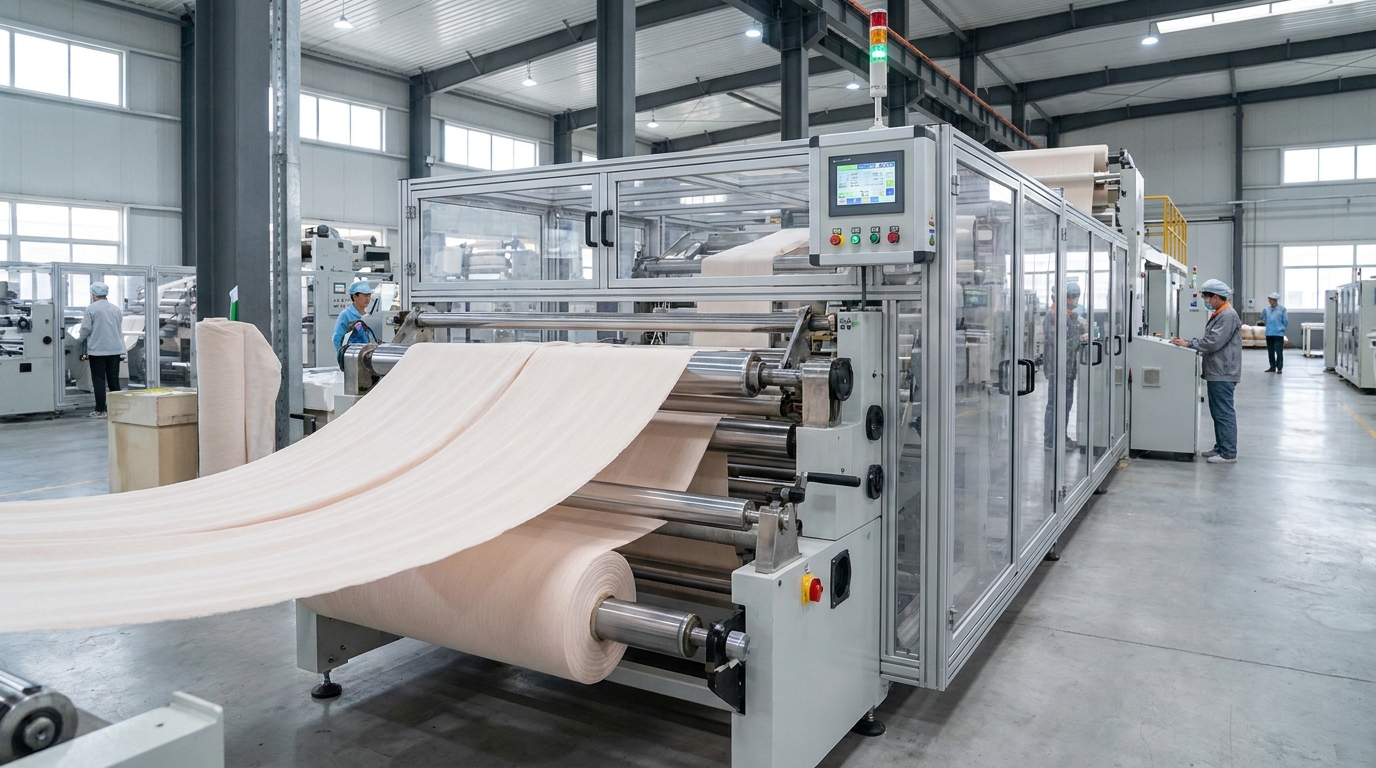
To compete globally, you must produce fabrics that stand out. Sueding machines make this exact upgrade possible. They transform standard textiles into premium goods.
### Enhancing Tactile Feel and Premium Value
Sueding, also known as emerizing or peaching, upgrades the fabric surface. It creates a soft, peach-skin finish or a rich velvet touch. The machine uses abrasive rollers to gently abrade the fabric. Most standard machines use 4 to 6 rollers. High-end models can feature up to 24 rollers for multi-stage processing.
You can adjust the abrasive grit based on the material. Heavy denims require coarse P120 grit. Delicate silks need a fine P600+ grit. This precise surface abrasion increases the premium value of your textiles. Higher quality helps Vietnam mills leverage trade benefits from agreements like CPTPP and EVFTA.
### The Shift to Automation and Eco-Friendly Tech
Southeast Asian mills are rapidly modernizing. They demand high-automation and eco-friendly solutions. Old equipment simply cannot keep up. You need machines featuring PLC touchscreens and automatic tension control. Precision tension must stay within ±2-5%. This prevents unwanted fabric elongation or tearing.
Energy efficiency is another major priority. Typical motor ratings range from 30kW to 75kW. Using inverter-controlled motors reduces energy consumption significantly during lower-speed runs.
Dust management remains a critical operational factor. Sueding generates a high volume of lint. Efficient systems require an airflow of 3,000 to 5,000 m³/h. Proper extraction prevents pilling, fire hazards, and respiratory issues.
Since 1985, SutexMach has specialized in intelligent textile machinery. We deliver stable performance and high automation. Our eco-friendly designs help mills build modern, efficient production lines. Working with reliable 원단 수딩 기계 제조업체 ensures you get a one-stop solution from selection to after-sales service.
### Meeting Diverse Production Needs
Vietnam fabric mills handle diverse materials. You might process heavy woven fabrics one day and lightweight knits the next. Each fabric type requires a specific approach to avoid damage. Improper settings cause tiger stripes or pinholes.
For example, processing 100% cotton interlock requires careful handling. A specialized 니트 원단용 재봉기 often uses carbon fiber brushes. This achieves a soft touch without damaging the delicate knit structure. Woven fabrics typically use traditional emery paper or diamond-coated rollers.
Here is a quick comparison of processing needs for different fabric types:
| 패브릭 유형 | Recommended Abrasive | Operating Speed | Primary Challenge |
|---|---|---|---|
| Heavy Woven (Denim) | Emery Fillet (P120 – P240) | 15 – 25 m/min | Achieving deep, even abrasion |
| Synthetic Woven (Polyester) | Diamond-coated Rollers | 20 – 35 m/min | Preventing roller wear and heat buildup |
| Lightweight Knits (Cotton) | Carbon Fiber Brushes | 25 – 45 m/min | Avoiding pinholes and tension loss |
Sueding machines seamlessly integrate between your dyeing and final heat setting processes. Choosing the right configuration ensures consistent hand-feel across every production batch.
Understanding Sueding Technology: Sueding Machine vs Sanding Machine
As we covered earlier, integrating the right equipment into your finishing line guarantees a consistent hand-feel across batches. However, mill operators often confuse two very different processes. You must understand the difference between a 연마기 대 샌딩기 before investing. Choosing the wrong equipment leads to ruined fabric and wasted money. Let us break down how these technologies differ.
Mechanical Action and Surface Finishing
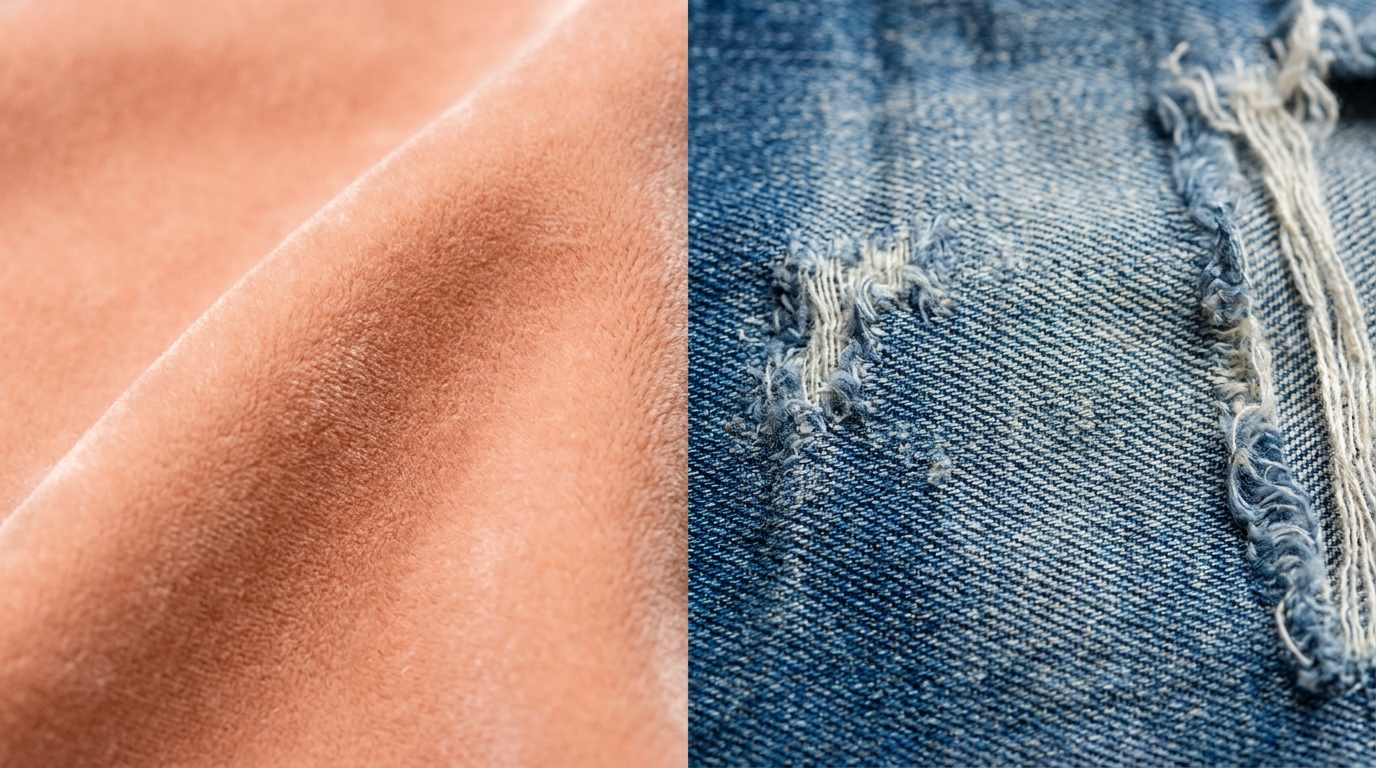
Both machines abrade the fabric surface, but they do it differently. Sueding uses fine abrasive rollers to gently lift surface fibers. As we discussed, standard machines use 4 to 6 rollers. You might use fine P600+ grit for delicate fabrics. This gentle action creates a uniform, peach-skin finish. It feels soft and highly luxurious.
Sanding takes a much more aggressive approach. It typically uses coarse sandpaper or heavy-duty abrasive belts. The mechanical action breaks the fibers rather than just lifting them. This creates a distressed, heavily worn appearance. You lose more fabric weight during sanding.
When to Choose Sueding Over Sanding
You must match the machine to your final product goals. Sueding is perfect for premium apparel. It adds value to activewear, lingerie, and high-end fashion. If you want a velvet touch on cotton interlock, you need sueding.
Sanding works best for heavy-duty applications. You use it for vintage denim, thick canvas, or rugged workwear. It achieves the faded look consumers love in jeans.
Here is a quick breakdown to help you decide:
| 기능 | 수딩 머신 | Sanding Machine |
|---|---|---|
| Mechanical Action | Gentle lifting of short fibers | Aggressive breaking of surface fibers |
| Surface Effect | Soft peach-skin or velvet touch | Distressed, worn, or vintage look |
| Ideal Fabrics | Silks, lightweight knits, microfibers | Heavy denim, canvas, thick woven cotton |
| Fabric Tension | Requires precise control (±2-5%) | Requires high tension to withstand abrasion |
Optimizing Lines and Reducing Fabric Damage
Vietnamese textile producers face tight production margins. You simply cannot afford high defect rates. Understanding these mechanical differences directly reduces fabric damage. Running a delicate knit through a sanding process causes severe pinholes. It also leads to massive tensile strength loss.
Evaluating the 봉제기 가격 means looking at operational efficiency. Since 1985, SutexMach has manufactured intelligent textile machinery. Our team provides one-stop solutions from machine selection to installation. We help you configure the exact setup you need.
Our equipment delivers stable performance and high automation. This ensures you get the right finish without compromising fabric integrity. Our eco-friendly designs also manage dust effectively. This keeps your mill safe and highly productive.
Key Specifications for a Sueding Machine for Knit Fabric

As we covered earlier, aggressive mechanical action easily ruins delicate materials. You must protect your textiles from severe tensile strength loss. Processing stretchable materials introduces entirely different problems. Let us explore the exact specifications required when selecting equipment for knitted textiles.
Overcoming Curling and Distortion Challenges
Knitted fabrics present unique finishing challenges. They stretch easily under minimal force. The edges naturally tend to curl inward. If you pull them too hard, the loop structure distorts permanently. Vietnam mills handling cotton interlock or spandex blends face these issues daily. You cannot treat knits like heavy denim. They demand gentle, highly controlled handling. Without proper support, the fabric web will warp. This creates uneven surfaces and high defect rates.
Essential Tension Control and Roller Setups
To prevent distortion, your equipment requires advanced tension control. You need systems featuring automatic tension adjustment. Dancer rollers monitor the fabric web constantly. They keep tension strictly within the safe ±2-5% range. This prevents the material from stretching out of shape.
Roller configuration matters just as much. Standard emery paper often proves too harsh. You should look for configurations using carbon fiber brushes. These specialized rollers lift the surface fibers gently. They create a soft peach-skin effect without snagging the delicate knit loops. High-end setups often use multi-stage brushing. This distributes the abrasive force evenly across the surface.
Stable Performance and Speed Synchronization
Uniform finishing requires absolute consistency. You need stable performance from start to finish. Precise speed synchronization is critical here. The abrasive rollers and fabric feed must move in perfect harmony. If speeds fluctuate, you get uneven patches or tiger stripes.
Inverter-controlled motors ensure this precise synchronization. They keep circumferential speeds exact across the entire web. Since 1985, SutexMach has engineered intelligent textile machinery to solve these exact problems. Our equipment delivers the stable performance and high automation you need. We design our systems to handle delicate knits flawlessly. This ensures consistent quality across every production batch.
| Key Specification | Primary Function | Benefit for Knitted Fabrics |
|---|---|---|
| Dancer Rollers | Monitors and adjusts fabric pull | Prevents loop distortion and stretching |
| Carbon Fiber Brushes | Provides gentle surface abrasion | Avoids pinholes and snagging |
| Inverter-Controlled Motors | Synchronizes roller and feed speeds | Eliminates tiger stripes and uneven patches |
| Plaiting Device | Folds fabric neatly after processing | Reduces edge curling during unloading |
How to Evaluate Fabric Sueding Machine Manufacturers
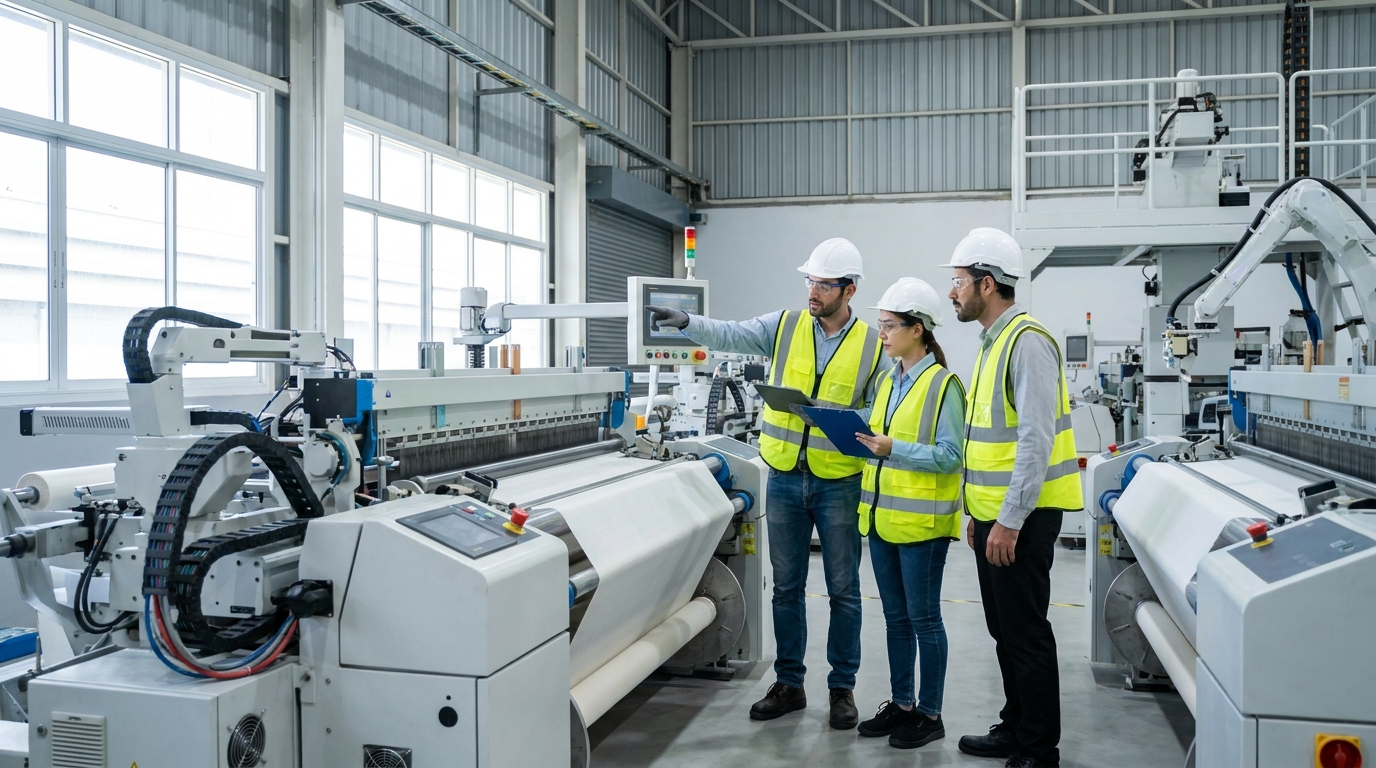
You now know exactly what specifications protect your delicate knits. But knowing what you need is only half the battle. You must actually source this equipment. Finding the right partner makes or breaks your mill’s success. Let us look at how to evaluate fabric sueding machine manufacturers for your Vietnam facility.
Core Criteria for Selecting a Reliable Partner
Not all suppliers deliver on their promises. You need specific criteria to separate the best from the rest. Look for deep industry experience first. A supplier with decades of knowledge understands complex fabric behaviors. They do not just sell metal. They provide true engineering solutions.
Technological innovation is your second pillar. Modern mills require high automation and eco-friendly designs. You need machines capable of precise tension control and efficient dust extraction. Finally, verify their global trust. Do other international mills rely on their equipment? This proves their machines perform consistently under heavy daily use.
The Necessity of One-Stop Solutions
Buying industrial equipment is never a simple transaction. You cannot just order a machine and plug it in. You need a partner offering comprehensive one-stop solutions. This process starts with proper machine selection and careful customization. Your mill processes unique fabrics. The equipment must match those exact production needs.
The relationship must continue through professional installation. Expert technicians ensure everything runs smoothly from day one. Strong after-sales service is equally critical. If a motor fails during a massive production run, you need fast technical support. Quick access to spare parts and expert advice minimizes expensive downtime.
Partnering with a Veteran Manufacturer
Working with a proven veteran eliminates sourcing risks. SutexMach stands out as a prime example. We were founded in 1985. We are proudly affiliated to Jiangsu SoHo Honry Import & Export Co., Ltd. Our team brings over 30 years of specialized experience in intelligent textile machinery. This long history means we have solved almost every finishing challenge imaginable.
We build our equipment to deliver stable performance and energy efficiency. We design our systems to be environmentally friendly. This perfectly aligns with the modernization goals of Vietnam fabric mills. You get reliable technology backed by decades of hands-on expertise.
Building Complete Automated Lines
Sueding is just one step in your finishing process. Top manufacturers look at your entire operation. They help you build complete, highly automated production lines. You must integrate your new equipment seamlessly with other finishing stages.
We provide a full range of intelligent machinery to complete your setup. This includes calendering, drying, stenter, dyeing, warp knitting, dewatering, and air-softening machines. Sourcing everything from one trusted manufacturer guarantees seamless integration. Your machines will communicate perfectly. This unified approach boosts your overall operational efficiency.
Here is a quick checklist for evaluating potential machinery suppliers:
| Evaluation Criteria | What to Look For | Impact on Mill Operations |
|---|---|---|
| Industry Experience | 30+ years in textile machinery | Ensures practical solutions for complex fabric challenges |
| Service Scope | One-stop customization and installation | Eliminates integration headaches and setup delays |
| Product Range | Stenters, drying, and air-softening machines | Allows you to build a fully synchronized production line |
| 판매 후 지원 | Fast technical help and parts availability | Keeps production running and minimizes unexpected downtime |
Analyzing Sueding Machine Price: Budgeting for Vietnam Fabric Mills
You just learned how to evaluate reliable manufacturing partners for your complete finishing lines. Now, you face the financial reality of this investment. Sourcing sueding machines for Vietnam fabric mills requires careful budgeting. You cannot simply look at the initial sticker price. Let us examine what actually drives these costs.
What Drives the Initial Equipment Cost?
Several variables determine your initial equipment cost. The level of automation plays a massive role. Machines featuring advanced PLC touchscreens cost more upfront. The number of abrasive rollers also impacts the price. A standard 4-roller setup costs less than a 24-roller system. Brand reputation dictates a large portion of the budget. High-end intelligent textile machinery commands a natural premium. Finally, custom features add to the final bill. Adding specialized dust extraction units increases the initial investment.
- Automation Level: PLC controls and automatic tension systems increase initial costs.
- Roller Configuration: More abrasive rollers mean higher manufacturing expenses.
- Brand Reputation: Established global brands charge more for proven reliability.
- Custom Features: Specific plaiting devices or carbon fiber brushes add to the price.
Calculating Your Long-Term ROI
Smart mill owners focus heavily on return on investment. You must calculate how the equipment performs over time. Energy efficiency directly boosts your daily ROI. Inverter-controlled motors reduce power consumption significantly during production. This drastically lowers your monthly mill utility bills. Reduced maintenance also keeps your cash flow healthy. Durable machines break down much less often. They require fewer frequent abrasive fillet replacements. Environmental friendliness adds massive hidden financial value. Efficient dust extraction prevents costly fires and regulatory fines. Eco-friendly designs keep your workers safe and production moving.
Why Stable Performance Beats the Lowest Price
Buying the cheapest machine often becomes a financial disaster. Low-cost equipment usually suffers from frequent mechanical failures. This causes severe and expensive production downtime. Prioritizing stable performance saves you money in the end. You also need expert after-sales service on standby. If a motor fails, you need immediate technical help. Since 1985, SutexMach has provided these exact one-stop solutions. We manufacture intelligent textile machinery built for stable performance. Our high automation designs maximize your long-term ROI. We help you select, customize, and install the perfect setup. Our reliable after-sales service ensures your mill never stops running.
| Budget Factor | Low Initial Cost Machine | Value-Driven Investment (SutexMach) |
|---|---|---|
| 에너지 효율성 | High power consumption | Inverter-controlled, highly efficient |
| Maintenance Frequency | Frequent breakdowns and part replacements | Durable build requiring minimal upkeep |
| Production Uptime | Low due to mechanical failures | High due to stable performance |
| 판매 후 지원 | Limited or unavailable locally | Comprehensive one-stop solutions |
결론
Choosing the right sueding machine boosts your fabric quality. Balance smart features, total costs, and maker reliability carefully. Partner with SutexMach for customized, intelligent textile finishing solutions. Since 1985, we provide stable equipment for your success.
- Evaluate the daily fabric production volume of your mill.
- Define your exact budget for new textile finishing equipment.
- Contact our expert team for a personalized machine quote.
Frequently Asked Questions About Sueding Machines for Vietnam Fabric Mills
What is the difference between a brushing machine and a sueding machine?
Brushing machines lift fabric fibers using metal wire bristles. Sueding machines use abrasive rollers to cut surface fibers. This process creates a very soft peach-skin finish. Emerizing works perfectly for both knit and woven fabrics. You get a smoother surface compared to standard brushing.
Can I suede elastic or spandex fabrics without losing elasticity?
Yes, you can process spandex fabrics safely and easily. You must maintain precision tension control during the process. Keep fabric tension within a strict ±2-5% range. This prevents unwanted fabric elongation or sudden tearing. Carbon fiber brushes are ideal for delicate elastic knits.
How often should I replace abrasive rollers in a high-volume mill?
Roller lifespan depends on fabric types and production volume. Standard emery paper needs frequent replacement for consistent results. Diamond-coated rollers last much longer on tough synthetic materials. Regular maintenance prevents uneven sueding marks called tiger stripes. SutexMach provides easy-to-change roller systems for your convenience.
How do textile mills manage dust from the sueding process?
Sueding generates a massive amount of lint and dust. You need a powerful extraction system to stay safe. Efficient systems require airflow between 3,000 and 5,000 m³/h. Proper dust collection prevents dangerous fire hazards in mills. It also stops trapped lint from ruining fabric finishes.
Why choose SutexMach for sueding equipment in Vietnam?
SutexMach offers over 30 years of textile machinery experience. We provide intelligent, energy-efficient machines with high automation levels. Our team delivers complete one-stop solutions for Vietnamese mills. We handle machine selection, custom setups, and after-sales service. Your production line will run smoothly with stable performance.
- Evaluate your current fabric types to determine required abrasive grits.
- Measure your factory floor space for proper vertical machine placement.
- Contact SutexMach to request a customized sueding line consultation today.
- Review local Vietnamese import regulations for textile machinery tax benefits.
Upgrading to advanced sueding machines helps Vietnamese mills meet global trade standards. Proper equipment selection ensures consistent peach-skin finishes while minimizing fabric damage. By partnering with experienced manufacturers like SutexMach, factories gain reliable automation and energy efficiency. Smart investments in quality machinery ultimately boost production capacity and long-term profitability.