

 Korean
 English
 Hungarian
 Indonesian
 Bulgarian
 Turkish
 Polish
 Russian
 Spanish
 Portuguese
 French


디지털 인쇄가 물 낭비를 90% 줄인다는 사실을 알고 계셨나요? 생생한 색상은 섬유 제품을 더욱 돋보이게 합니다. 섬유 염색과 인쇄 중에서 선택하는 것은 종종 어려운 일입니다. 두 방법 모두 원단의 내구성과 촉감에 영향을 미칩니다. 이번 게시물에서는 주요 차이점과 각각의 방법 및 장비를 살펴보며, 여러분이 적합한 방식을 선택하는 데 도움을 드리겠습니다.
Understanding the Basics: Textile Printing vs Dyeing
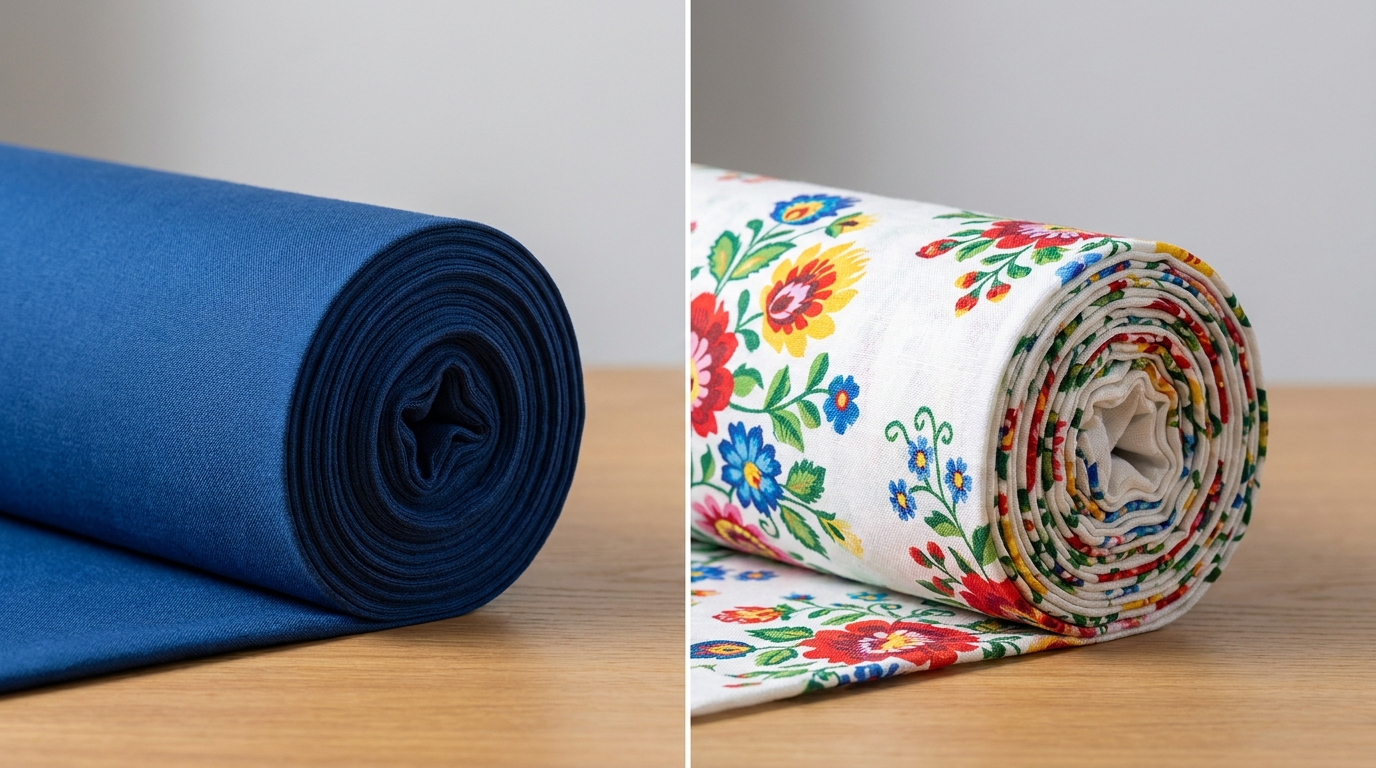
You want vibrant textiles for your next project. You also want to manage water waste efficiently. To achieve this, you need to understand the core processes. Let’s break down the basic definitions.
What is Textile Dyeing?
Textile dyeing applies color uniformly across the entire fabric, yarn, or fiber. We use aqueous solutions to achieve this. The color penetrates 100% of the material. This creates a solid, consistent hue on both sides. If you look at the back of dyed fabric, it matches the front perfectly.
Large-scale production requires robust and reliable equipment. SutexMach offers advanced dyeing machines designed for stable performance. Our energy-efficient systems help textile mills build reliable, eco-friendly production lines.
What is Textile Printing?
Textile printing operates in a completely different way. We often call it localized dyeing. Instead of soaking the whole material, you apply color only to specific areas. This creates distinct patterns and gradients.
Printing is usually a one-sided, surface-level application. If you check the reverse side, it often looks white or lighter. You can choose from various 원단 인쇄 방법. Options range from traditional screen printing to modern digital inkjet processes.
The Common Goal
These two methods look very different mechanically. However, they share a fundamental goal. Both processes must permanently bond color to textile fibers. The color needs to resist washing, UV light, and mechanical friction. Poor bonding leads to fading or color bleeding.
How Your Choice Shapes the Fabric
그리고 직물 인쇄 대 염색 debate ultimately dictates your final product. Your choice directly affects the following factors:
- Hand Feel: Dyeing keeps the fabric soft. Some printing methods leave a stiffer texture.
- Visual Depth: Dyeing offers rich, solid colors. Printing allows for intricate motifs and photographic reproduction.
- Application: High-friction items like upholstery benefit from dyeing. Seasonal apparel often relies on printing.
| 기능 | Textile Dyeing | Textile Printing |
|---|---|---|
| Color Application | Uniform across entire fabric | Localized to specific areas |
| Penetration Depth | 100% fiber penetration | Surface-level application |
| Reverse Side Appearance | Matches the front color exactly | Usually white or significantly lighter |
| Best Used For | Solid colors, high-friction items | Patterns, logos, detailed gradients |
Dyeing vs Printing: Core Differences Explained
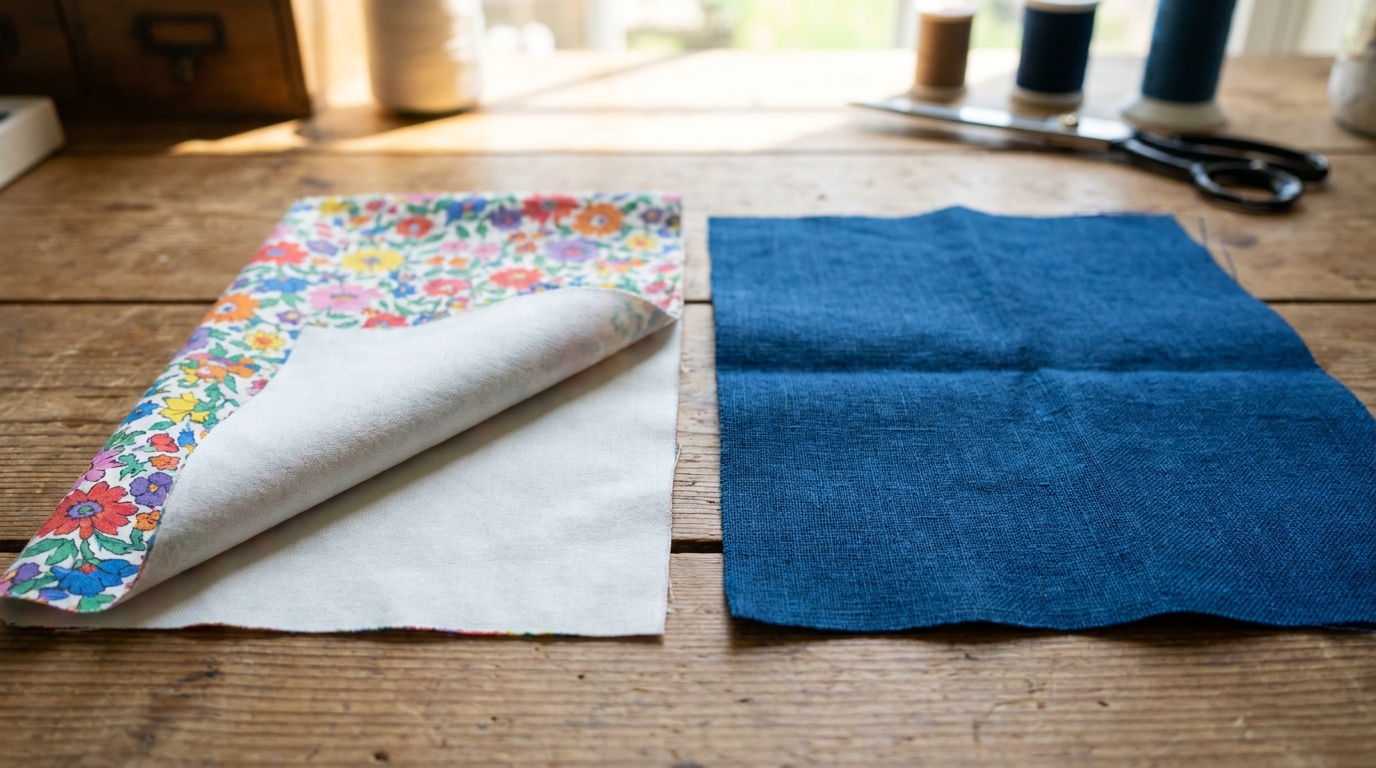
We just looked at how your choice impacts the fabric’s feel and application. Now, let’s dig deeper into the mechanics. Understanding the core differences between 염색 대 인쇄 helps you make smarter production decisions.
Color Penetration and Fabric Sides
As we covered earlier, penetration depth separates these two methods. You can easily identify a 염색 원단 대 인쇄 원단 using the “white back” test. Turn the material over and inspect the reverse side. Does it match the front exactly? If yes, it is dyed. Dyeing achieves 100% fiber penetration. The color fully saturates the yarns. If the back is white or significantly lighter, it is printed. Printing applies color only to the surface.
Design and Pattern Complexity
Your specific design dictates your manufacturing method. Dyeing limits you to solid colors. You immerse the entire fabric batch into a dye bath. You can achieve simple patterns like stripes or gingham through yarn dyeing before weaving. However, printing unlocks limitless creativity. You can produce intricate motifs, multi-colored designs, and photographic gradients. High-end digital machines reach resolutions of 1200 DPI. This precision makes printing perfect for complex visual effects.
Chemical and Water Usage
Environmental impact is a major concern for modern textile mills. Traditional dyeing requires large volumes of water. Typical liquor ratios range from 1:20 to 1:40. You need 20 to 40 liters of water for every kilogram of fabric. It involves prolonged chemical baths and produces high volumes of wastewater. Printing generally uses less water. Digital printing reduces water consumption by up to 90%. It also cuts chemical waste by 60% to 80%.
At SutexMach, we help mills navigate these environmental challenges. Since 1985, we have manufactured intelligent textile machinery. We offer energy-efficient drying, stenter, and dyeing machines. Our equipment supports eco-friendly production lines and reduces overall wastewater generation.
Cost and Production Speed
Production speed and setup costs vary significantly between methods. Dyeing is highly cost-effective for large-scale production of solid colors. Industrial dyeing usually requires minimum order quantities (MOQs) of 500 to 1,000 meters. Printing becomes more economical when you introduce multiple colors. If your design has four or more colors, printing is usually cheaper.
Digital printing allows for rapid turnaround and tiny MOQs. You can print just 1 to 5 meters efficiently. Traditional screen printing requires more setup time to prepare the screens. This preparation makes screen printing better suited for medium to large runs.
Common Fabric Printing Methods and Dyeing Techniques
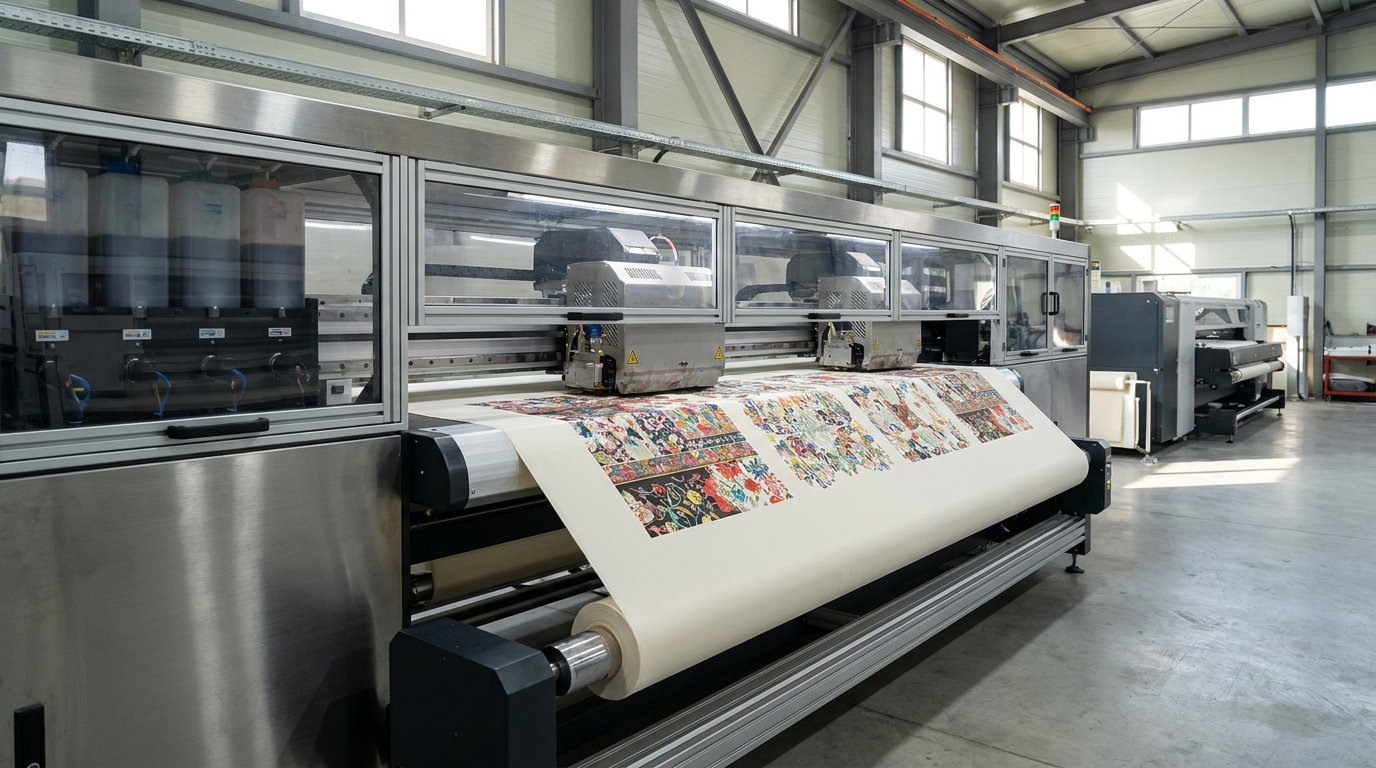
We just explored how production speed, water usage, and MOQs influence your choice. Now you need to look at specific application methods. Your ideal production line depends heavily on these techniques.
Popular Dyeing Techniques
Manufacturers use different methods based on when they apply color during production. Each technique serves a unique purpose.
- Fiber and Yarn Dyeing: You apply color before weaving the fabric. This method offers superior color depth. It achieves the best colorfastness ratings. You need this for authentic denim or yarn-dyed flannels. The pattern will not distort when the fabric stretches.
- Piece Dyeing: This is the most common industry method. You dye entire rolls of woven or knitted greige goods. It is highly cost-effective for large-scale solid color production.
- Garment Dyeing: You dye the finished apparel item. This allows clothing brands to respond quickly to sudden seasonal color trends.
SutexMach provides robust equipment for these critical stages. Our dyeing, dewatering, and stenter machines easily handle various fabric states. We ensure stable performance and high automation for your textile mill. Our machines help you maintain consistent quality across large batches.
Exploring Fabric Printing Methods
Printing applies color only to specific surface areas. You have several options depending on your fiber type and design complexity.
- Screen Printing (Rotary and Flatbed): This traditional method uses custom stencils. It is ideal for high-volume pattern making. Initial setup takes significant time. However, it becomes highly economical for large production runs.
- Digital Textile Printing: This operates like a giant inkjet printer. You can easily print tiny MOQs of 1 to 5 meters. It handles intricate designs and photographic reproductions flawlessly. It also cuts chemical waste by up to 80%.
- Heat Transfer (Sublimation): You print a design onto paper first. Then you transfer it to fabric using heat. It requires curing temperatures between 180°C and 210°C. This works perfectly for synthetic fibers like polyester.
- Block Printing: Artisans press carved wooden blocks onto fabric. This traditional method creates unique, handcrafted textiles. It is labor-intensive but highly valued for artisanal aesthetics.
You must always match your chemical process to your fabric type. For example, you might compare 안료 인쇄 대 반응성 염색 when working with cotton. Pigment printing uses physical binders. It sits on the surface and requires curing at 150°C to 170°C. Reactive dyes chemically bond directly to natural fibers. They provide a much softer hand feel and better long-term durability.
| Printing Method | Best Application | Ideal Fabric Type | Setup Time |
|---|---|---|---|
| Screen Printing | High-volume traditional patterns | Cotton, Linen, Blends | 높음 |
| Digital Printing | Intricate designs, short runs | Silk, Wool, Cotton | Low |
| Sublimation | Activewear, banners, sportswear | Polyester, Synthetics | 보통 |
| Block Printing | Handcrafted, artisanal textiles | Natural fibers | 높음 |
Deep Dive: Pigment Printing vs Reactive Dyeing
We just touched on how cotton fabrics respond to different chemicals. Let’s look closer at two common applications for natural fibers. Grasping this specific comparison helps you master the broader dyeing vs printing key differences and how to choose the right path for your mill.
What is Pigment Printing?
Pigment printing applies color without altering the fiber itself. Pigments are tiny, insoluble color particles. They do not chemically bond to the fabric. Instead, you use synthetic resins or binders. These binders act like glue. They hold the color onto the textile surface. Think of it like painting on a canvas. You must cure the fabric using high temperatures. This curing usually happens between 150°C and 170°C. The heat sets the binder and locks the pigment permanently in place.
What is Reactive Dyeing?
Reactive dyeing takes a completely different approach. It relies on a true chemical reaction. The dyestuffs form a covalent bond directly to cellulosic fibers. We commonly use this process for cotton, linen, or rayon. The color actually becomes a physical part of the fiber. Because of this strong chemical integration, the color will not easily wash out.
Comparing the Key Metrics
Both methods offer distinct advantages for textile production. You must evaluate them based on durability, texture, and workflow.
Colorfastness and Durability
Reactive dyeing delivers superior colorfastness. It routinely achieves Grade 4-5 on standard ISO scales. This rating applies to both wash and light fastness. The chemical bond prevents the color from fading during heavy laundering. Pigment prints usually score slightly lower. They often hover around Grade 3-4. Heavy mechanical friction causes the surface binder to wear off. We call this gradual fading effect “frosting.”
Fabric Hand Feel
How the fabric feels matters just as much as its appearance. Reactive dyeing keeps the material incredibly soft. The dye penetrates the yarn completely. It leaves no stiff residue behind. Pigment printing often creates a stiffer texture. The resins sit directly on top of the fabric. However, you can easily improve this stiffness. SutexMach manufactures advanced air-softening machines. Our intelligent equipment helps textile mills restore a naturally soft hand feel to printed fabrics.
Process Complexity
Process complexity heavily influences your daily production timeline. Pigment printing remains very straightforward. You print the design and cure it. It requires absolutely no post-washing. This simplicity saves water and reduces energy consumption. Reactive dyeing involves multiple complex steps. After dyeing, you must thoroughly wash the fabric. This extensive washing removes unfixed dyes. It also prevents future color bleeding. You need robust equipment to handle this wet processing. SutexMach provides highly automated drying and stenter machines. Our one-stop solutions help you manage these extensive finishing requirements easily while maintaining stable performance.
| Metric | Pigment Printing | Reactive Dyeing |
|---|---|---|
| Chemical Mechanism | Surface adhesion via resin binders | Covalent chemical bond to fibers |
| Colorfastness | Moderate (Grade 3-4) | Excellent (Grade 4-5) |
| Hand Feel | Slightly stiffer, surface residue | Soft, natural texture |
| Post-Processing | None (Heat curing only) | Extensive washing and drying required |
How to Choose the Right Method for Your Textile Project

We just compared the specific chemical mechanics of pigment printing and reactive dyeing. You now know how these processes affect colorfastness and hand feel. But how do you apply this knowledge to your entire production line? Choosing between dyeing and printing requires a strategic approach. You must evaluate your design, fabric, budget, and end-use. Let’s break down these four critical factors to help you make the best decision.
Assess Your Design Requirements
Your visual design is the first deciding factor. As we covered earlier, dyeing limits you to solid, uniform colors across the entire fabric. It works perfectly for foundational wardrobe pieces like t-shirts or trousers. If you want authentic stripes or gingham, you must use yarn dyeing before weaving.
Printing offers unlimited creative freedom. You should choose printing for complex, multi-color patterns, branding logos, or seasonal floral designs. Digital printing is your only viable option if your project requires photographic reproductions or intricate watercolor gradients.
Evaluate Fabric Materials
You must match your manufacturing process to the fiber type. Different materials require specific dyes or inks to achieve permanent bonds. Using the wrong chemical combination leads to poor color retention.
- Cotton and Linen: These natural cellulosic fibers pair best with reactive dyes or pigment printing.
- Polyester and Synthetics: You need disperse dyes or heat transfer (sublimation) printing. Sublimation requires curing at 180°C to 210°C.
- Silk and Wool: These protein fibers require acid dyes or digital acid ink printing.
Processing these different fabrics requires versatile equipment. SutexMach offers customized one-stop solutions for textile mills. We help you select and install the exact drying, stenter, or dyeing machines needed for your specific fiber types. Our intelligent machinery ensures stable performance across any material.
Consider Budget and Order Volume
Production costs and minimum order quantities (MOQs) strongly influence your choice. You must weigh initial setup costs against your total production run.
Industrial dyeing is highly cost-effective for large-scale solid colors. However, it typically requires MOQs of 500 to 1,000 meters. Screen printing also demands high volume to offset the time-consuming stencil preparation. Printing becomes the economical choice when your design features four or more colors.
If you run a small business or need rapid prototyping, digital printing is ideal. It allows for tiny MOQs of just 1 to 5 meters. You avoid high setup costs and can test market trends quickly.
Analyze End-Use and Performance
Think about how the final consumer will use the product. The end-use dictates your required wash fastness, light fastness, and texture.
Items exposed to high mechanical friction, like upholstery or heavy workwear, require dyeing. Dyeing achieves 100% penetration. This prevents the “frosting” effect where color wears off the surface. For items requiring an ultra-soft hand feel, like baby clothing or luxury bedding, reactive dyeing is preferred.
If you use pigment printing for seasonal apparel, the fabric might feel stiff. You can easily fix this issue during post-processing. SutexMach manufactures highly automated air-softening machines. This equipment helps mills restore a naturally soft handle to printed textiles, ensuring premium quality for the end user.
| 의사결정 요인 | Choose Dyeing When… | Choose Printing When… |
|---|---|---|
| Design Complexity | You need solid colors or basic woven stripes. | You need multi-color motifs, logos, or photos. |
| Production Volume | You are running 500+ meters of a single color. | You need small runs (digital) or 4+ color designs. |
| Fabric Friction | The item faces heavy wear (e.g., upholstery). | The item faces light to moderate wear (e.g., fashion). |
| Hand Feel | You require maximum softness with no surface residue. | Slight surface texture is acceptable for the design. |
Scaling Production with Intelligent Textile Machinery
You just explored the core concepts of dyeing vs printing, their key differences, and how to choose the right method for your project. Once you make this choice, you must scale up. Scaling your production volume requires highly reliable machinery. Whether you process solid colors or cure intricate digital designs, your equipment dictates your success. Inconsistent machines lead to uneven color penetration or poor wash fastness. You need systems built for absolute precision.
Partnering for Global Textile Success
Founded in 1985, SutexMach is a professional manufacturer of intelligent textile machinery. We are affiliated to Jiangsu SoHo Honry Import & Export Co., Ltd. Over the past 30 years, we have built a trusted global reputation. Textile mills rely on us for stable performance and high automation. We manufacture equipment crucial for both manufacturing paths.
If you choose reactive dyeing, you need robust wet processing. We supply advanced dyeing machines and dewatering systems. If you choose pigment printing, you need precise heat control. Our drying machines and stenter machines ensure perfect curing temperatures. We also specialize in sueding, calendering, warp knitting, and air-softening machines.
The Benefits of Upgrading Your Factory
Upgrading your factory floor brings immediate operational benefits. Our intelligent machinery delivers exceptional energy efficiency. This promotes environmental friendliness by minimizing water and chemical waste. You achieve higher output without sacrificing sustainability.
Building a complete production line often feels overwhelming. We make this expansion process simple for you. We offer comprehensive one-stop solutions for your textile mill. Our complete service package includes:
- Machine Selection: We match the exact equipment to your specific fabric and chemical requirements.
- 사용자 지정: We adapt our machinery to fit perfectly into your existing factory layout.
- Installation: Our technical team handles the complete setup at your facility.
- After-Sales Service: We provide ongoing support to keep your production running smoothly.
결론
Choosing between dyeing and printing depends on your specific goals. Fabric type, budget, and scale matter most. Neither method is universally better for every project. High-quality, energy-efficient machinery ensures your production runs smoothly. Contact SutexMach for expert advice on your intelligent production lines.
- Define your exact pattern and color requirements first.
- Evaluate your budget for setup and production costs.
- Reach out to SutexMach to upgrade your equipment.
Frequently Asked Questions About Dyeing vs Printing
How can I tell if a fabric is dyed or printed?
You can easily check this by looking at the reverse side. This is known as the simple white back test. If the back is white or very light, it is printed. Printing only applies color to the top surface of the material. If the color looks identical on both sides, it is dyed. Dyeing achieves complete fiber penetration for a solid, uniform look. This quick trick helps you identify the exact coloring method used.
Why do printed patterns sometimes peel or crack?
Printing relies on physical adhesion to stick color to the surface. Some methods use binders that sit on top of the fabric. Over time, friction and washing can cause these layers to crack. Dyeing creates a strong chemical bond directly within the actual fibers. This means dyed fabrics hold their rich color much longer. For high-friction items like upholstery, dyeing is usually the preferred choice. It prevents the color from wearing off the fabric surface quickly.
Does printing make the fabric feel stiff or plastic?
Certain printing methods can change how the fabric feels. Pigment printing uses binders that may leave a slightly stiff texture. This happens because the ink cures on the outside surface. Dyeing immerses the fabric entirely, keeping its natural softness intact. However, digital sublimation printing leaves a very soft hand feel. Choosing the right technique depends on your desired fabric texture. Quality machines help ensure a better finish for all methods.
Which method is better for the environment?
Traditional dyeing produces high volumes of wastewater during the process. Digital printing reduces chemical waste and water consumption significantly. However, modern dyeing technology has become much more sustainable today. SutexMach offers advanced dyeing machines known for high energy efficiency. Our equipment is highly automated and extremely environmentally friendly. We help textile mills reduce their overall carbon footprint effectively. Both methods can be eco-friendly with the right industrial equipment.
What is the best choice for small business orders?
Digital printing is excellent for small scale and custom runs. It allows for minimum order quantities of just a few meters. Traditional screen printing and industrial dyeing require much larger minimums. These older methods often need over five hundred meters per order. Dyeing is cheaper for large-scale production of solid fabric colors. Digital printing is cost-effective for multi-color designs in small batches.
Dyeing offers deep color penetration and superior softness for fabrics. Printing provides endless possibilities for intricate designs and multiple colors. Your choice depends on your budget, order size, and design needs. Small batches benefit from digital printing due to lower minimums. Large solid color runs are more cost-effective with traditional dyeing. SutexMach provides reliable equipment to support your specific textile goals.
- Examine the reverse side of your fabric to identify the method.
- Assess your project volume to determine the most cost-effective option.
- Match your chosen fiber type with the correct ink or dye.
- Contact SutexMach for expert advice on upgrading your textile machinery.