


 Korean
 English
 Hungarian
 Indonesian
 Bulgarian
 Turkish
 Polish
 Russian
 Spanish
 Portuguese
 French


A practical guide to fabric calendering effects, machine selection, and process control.
Quick answer: which calendering machine is right?
캘린더링 기계는 직물을 하나 이상의 압력 니프를 통과시켜 원단의 표면과 촉감을 변화시킵니다. 열, 압력, 롤 재료, 습도 및 상대적인 롤 속도에 따라 결과물이 더 매끄럽거나 평평해지거나 광택이 나거나 밀도가 높아지거나 부드러워지거나 무늬가 생기게 됩니다. 2롤 캘린더는 간단한 평탄화나 광택 처리를 위한 직접적인 선택입니다. 3롤 캘린더는 더 많은 가공 유연성을 제공하며 마찰 효과나 다중 니프 효과를 지원할 수 있습니다. 눈에 띄는 표면 무늬를 목표로 할 경우 엠보싱 기계를 선택합니다.
Choose from the required fabric outcome rather than the number of rollers alone. The same textile may need a soft matte finish, a high gloss finish, controlled compaction before coating, or a decorative relief pattern. Each goal needs a different roller pairing and recipe. Test actual fabric, not just a supplier sample, because fiber content and construction strongly affect the result.
How the textile calendering process works
The textile calendering process feeds fabric in open width through a nip formed by two rollers. One roller is often hard polished metal, while the mating roller may be a softer cotton, paper, synthetic, or elastic-covered roll. Pressure flattens yarns and changes surface contact. Heat can help thermoplastic fibers accept the deformation. Fabric then cools and is wound under controlled tension.
A fabric calender does not operate as a universal polishing machine. The fabric needs the right moisture condition, tension, and entry alignment. Too much pressure or temperature can create harsh handle, excessive compaction, marks, shade change, or unwanted loss of porosity. Too little treatment may not create a consistent effect. The effective setting is a balanced process window, established through trials and product tests.
2-roller calender machine: direct smoothing and luster
A 2-roller calender machine has one main nip and is often the simplest way to apply a controlled surface finish. A heated steel roll against a composition roll can improve smoothness and create a measured luster. The short, direct fabric path is useful when the goal is a straightforward finish with manageable setup. It can be appropriate for cotton blends, lining fabrics, synthetics, and pre-coating preparation when trials confirm compatibility.
Its advantage is simplicity. With fewer nips, operators have fewer interactions to manage and can focus on pressure, temperature, speed, and fabric tension. Its limit is process flexibility. A two-roll system may not deliver the same multi-stage polishing, friction, cooling, or controlled pattern effect as a more specialized arrangement. Do not expect it to replace an embossing unit when texture is the product feature.
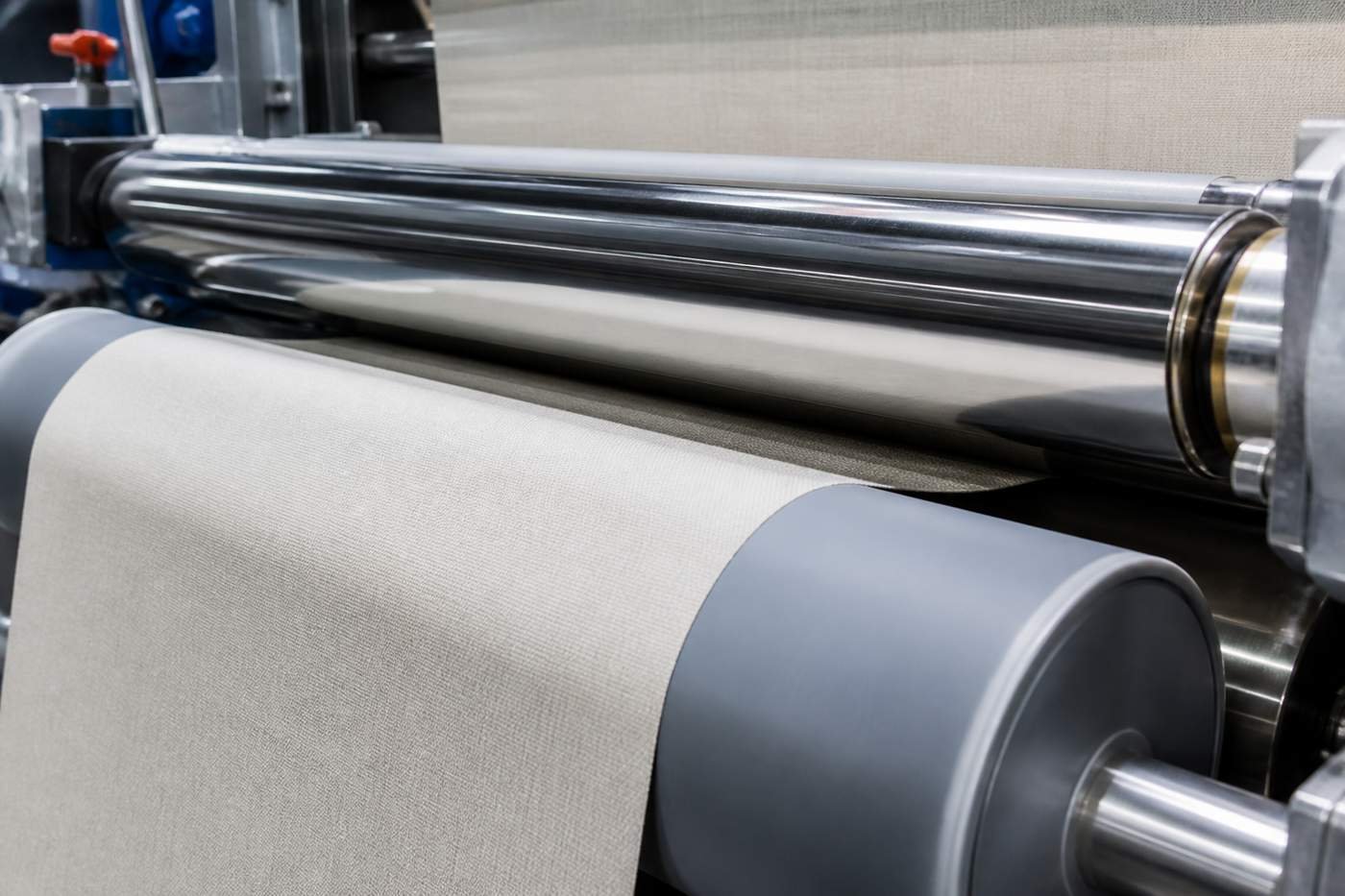
Figure 2. A two-roll system provides a direct finishing nip for smoothing or luster.
3-roller calender: more control for friction and multi-nip finishing
A 3-roller calender typically arranges hard and soft rolls so fabric can pass through more than one controlled nip. One familiar textile arrangement combines a heated metal roll, a softer middle roll, and another hard or cooling roll. This layout can support a stronger gloss, greater smoothing, or friction effects when roll surface speeds and paths are designed for it.
A 3-roller calender should be evaluated when fabric value depends on a more pronounced surface effect or when the finishing team needs more than one treatment stage in a continuous pass. It can offer flexibility, but it also raises the importance of roller condition, alignment, speed synchronization, and careful threading. A complex path only improves fabric when it is matched to a clear specification.
Embossing machine: make texture the product feature
An embossing machine uses an engraved roller and a softer counter-roll to press a pattern into fabric. It is a calendering process, but its key output is texture rather than only smoothness. Patterns can include fine lines, pebbles, crepe-like surfaces, logos, or other repeat designs where the project allows them. Thermoplastic fibers can retain some embossed effects more effectively after suitable heat treatment; other materials may show a more temporary pattern.
Specify the engraved design, repeat, fabric side, texture depth, hand feel, and expected durability before committing to an embossing machine. A beautiful pattern at the machine exit is not enough. Check the fabric after cooling, storage, washing, abrasion, lamination, or any process it will meet later. An embossing effect that disappears in the end-use route is not a successful finish.
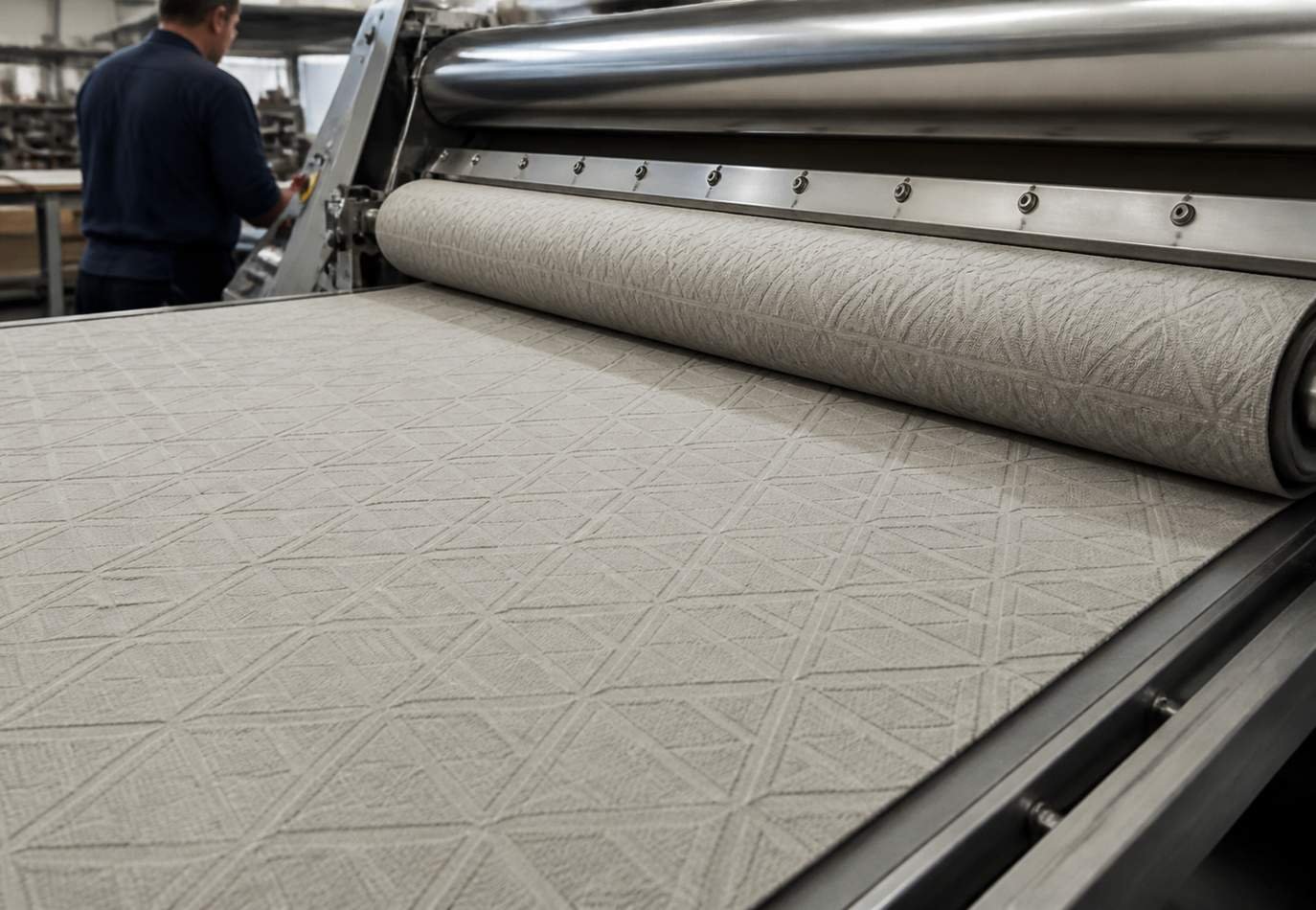
Figure 3. Engraved rolls give embossing machines their decorative surface effect.
What controls the calender result?
Roll temperature influences how readily the surface changes, especially for thermoplastic fibers. Pressure controls the degree of flattening and compaction. Roll surface material determines how hard or soft the nip behaves. Fabric moisture and chemical finish can alter handle and the ability to take a finish. Speed and dwell affect exposure, while relative roll speed can create a friction effect.
These variables interact. Raising temperature while also raising pressure and slowing the fabric may create a much stronger result than expected. Change one main variable at a time during development where possible. Record fabric code, width, weight, fiber blend, moisture, roller combination, pressure, temperature, speed, and inspection results. A short recipe record prevents costly trial-and-error on repeat orders.
3-roller vs 2-roller vs embossing comparison
Use this comparison as a starting point. Actual capability depends on roller materials, heating, pressure system, width, fabric path, and optional controls.
| 머신 유형 | Best result | Strength | Watch closely |
| 2-roller calender | Basic smoothing or controlled luster | Simple path and clear process control | Limited multi-stage or pattern capability |
| 3롤러 캘린더 | Stronger gloss, friction or multi-nip finishing | More flexible roller path | Alignment, speed control, and roller condition |
| Embossing machine | Visible raised or pressed texture | Decorative and functional pattern options | Pattern durability and fabric compatibility |
Selecting a calender machine for your fabric line
Begin with the fabric and the intended customer result. Identify fiber content, construction, weight, width, coating or lamination route, target gloss, target hand, pattern requirement, and acceptable loss of porosity. Then ask whether the line should smooth, polish, compact, prepare for coating, emboss, or perform several of these functions.
Machine purchase decisions should also include working width, heating method, roller diameter, maximum pressure, cooling, entry and delivery equipment, seam and metal detection, antistatic devices, safety guarding, utilities, maintenance access, and service. A low initial price may become expensive if roller changes, cleaning, energy use, or quality waste are difficult to control.
Quality checks and common calendering defects
Inspect fabric before and after calendering. Confirm width, weight, thickness, gloss, handle, surface uniformity, shade, porosity where relevant, edge condition, and pattern consistency. For a coated or laminated fabric, assess downstream adhesion and visual quality after the full route. Keep an approved swatch under controlled light for each commercial style.
Common defects include uneven gloss, roller marks, edge marks, shade variation, excessive stiffness, seam damage, non-uniform pattern, and loss of desired breathability. Check roller cleanliness, roll surface condition, nip alignment, tension, moisture, temperature, pressure, and speed. Most defects come from an imbalance in process variables rather than one isolated setting.

Figure 4. Inspect finished fabric after cooling and after any downstream process.
Maintenance, safety, and operating discipline
Roller surfaces are central to output quality. Inspect them for damage, contamination, wear, and temperature consistency. Maintain pressure systems, bearings, heating, cooling, guards, sensors, entry devices, and winding controls according to the equipment schedule. A small roll-surface defect can become a continuous fabric mark, so early inspection is cheaper than sorting finished batches.
Calender machines create pinch points, heated surfaces, and moving fabric. Follow the manufacturer manual and site-specific safety procedures. Operators should understand threading, cleaning, emergency stops, locked-out maintenance, safe removal of wrapped fabric, and the restrictions around hot rolls. Output targets should never override the guarding or safe work practice required at the nip.
Commissioning and cost control
Run acceptance trials with representative fabric, not only a convenient sample. Validate the target gloss, pattern, hand, thickness, width, and downstream performance. Record the approved recipe and train operators to reproduce it. Include roller cleaning, pattern changes, warm-up, cool-down, maintenance, and quality inspection in the real production schedule.
Operating cost includes energy, labor, roller maintenance, cleaning, waste, rejected fabric, and downtime. Track saleable meters rather than only line speed. A stable recipe at a moderate speed can be more profitable than a fast recipe that creates rework. Discuss a suitable configuration with
For a calender machine textile project, share fabric samples, target finish, working width, production volume, and downstream process requirements with 수텍스마흐
그리고 Sutexmach textile machinery team can help map the process goal to an appropriate fabric calender configuration.
Roll combinations and what they mean for fabric
The roller pair is the heart of a fabric calender. A polished metal roll offers a hard, smooth surface and can be heated. A cotton, paper, synthetic, nylon, or elastic-covered roll provides a more yielding contact surface. When fabric enters the nip, the combination determines how pressure is distributed into yarns and fibers. A hard-to-soft nip generally gives a different surface effect from hard-to-hard contact, even when the pressure setting appears similar.
Hard rolls are useful where a clear, polished surface or defined pattern transfer is needed. Softer rolls can help protect the fabric while allowing controlled contact through uneven yarns or a textured construction. The roll material must suit the fabric and process temperature. Discuss its wear resistance, maintenance plan, surface grinding or replacement method, and behavior under the expected pressure. A damaged or contaminated roll can create a continuous mark across every meter of fabric.
Fabric categories and likely calendering goals
Woven cotton, cotton blends, rayon, silk, and linen are commonly calendered for smoother surfaces, reduced hairiness, a more polished look, or a changed handle. The result can be partly temporary because fibers may recover after washing or wear. Synthetic fabrics and blends can respond differently because heat can make a surface effect more durable. However, high temperature can also change shade, melt sensitive components, or reduce desirable stretch and recovery if the process is not controlled.
Coated and laminated articles require special caution. Calendering before coating can create a flatter base and may help a coating look more even, but it can also affect air permeability, adhesion, and hand. When calendering follows a coating or lamination step, the finish must be tested for film damage, blocking, print transfer, and final performance. Treat every construction as its own development project until the recipe has been approved.
| Fabric category | Common objective | Development question |
| Woven cotton or blend | Smoothness, luster, improved surface appearance | Will the effect remain acceptable after laundering? |
| Polyester or nylon fabric | Gloss, compactness, heat-assisted surface change | What temperature keeps color and mechanical properties stable? |
| Knit fabric | Controlled smoothness without excessive stretch loss | How will pressure affect loop shape and recovery? |
| Coated or laminated fabric | Uniform base, surface appearance, selected barrier effect | Does calendering alter adhesion, porosity, or film quality? |
Friction calendering and controlled surface speed
Friction calendering uses a difference between roller and fabric surface speeds to create a stronger glazing or polishing action. It can produce a pronounced luster and closer yarn appearance, but it can also make the hand firmer or more paper-like when the process is too aggressive. The exact speed relationship, pressure, roll temperature, and fiber type determine the outcome. It should be developed from the target surface, not used simply because a three-roll layout is available.
During trials, examine the fabric under the same light conditions used for customer approval. A high gloss finish can make color appear lighter, deeper, or different in direction. Check both face and back, and inspect after rolling, folding, storage, and sewing. If the article will be printed or coated later, carry out that next operation before final approval. The best calendering recipe is one that supports the entire fabric route.
Embossing design, repeat, and durability
An embossing machine transfers the engraved roll pattern only as accurately as the fabric can accept it. Fine details may be lost on coarse, bulky, highly elastic, or uneven materials. Larger geometric patterns may need stable fabric tracking and even nip pressure across the width. Pattern registration, fabric tension, and roll cleanliness should be reviewed early, especially for a design that must align with print, coating, or cut-panel placement.
Durability testing should match the product. Upholstery and bag materials may need abrasion and flex testing. Apparel fabrics may require washing and pressing tests. Technical or outdoor articles may need performance checks after moisture, temperature cycling, or lamination. A pattern may look permanent at the point of embossing but flatten in handling. Define the acceptable change after end-use testing before the fabric enters regular production.
Set up a practical fabric calender recipe
A reliable recipe starts with the incoming fabric condition. Record the lot, fiber blend, construction, width, weight, moisture condition, and applied chemicals. Then state the desired output in measurable terms: gloss range, thickness, hand description, width, surface pattern, porosity, or coating preparation. This turns a subjective request such as “make it smoother” into a process objective that operators and quality teams can repeat.
During development, choose a safe starting point for pressure, temperature, and speed, then change one main factor at a time. Take samples after cooling. Test them under standard light and compare them to a signed reference. Include both the first and last part of the batch, because roll temperature and fabric behavior can change during a run. Once approved, maintain a recipe sheet with allowed ranges rather than a single unchangeable setting.
Production capacity and total operating cost
Line speed alone is not production capacity. Saleable output depends on warm-up time, threading, roll changes, cleaning, fabric changeovers, inspection, seam handling, defects, and planned maintenance. A heavy or coated fabric may need a slower speed than a light lining fabric. An embossing pattern may require more careful alignment and inspection than a simple smoothing pass. Plan output around good finished meters, not only the highest speed displayed by the machine.
The commercial decision should include energy for heating and cooling, pressure-system maintenance, roller refurbishment, labor, floor space, quality waste, and downstream value. In some cases, a more capable 3-roller calender reduces extra passes or supports several product types. In other cases, a simple two-roll unit is a better investment because it is easier to operate reliably. The best machine is the one that gives the required fabric quality at a stable conversion cost.
Troubleshooting by visible symptom
If gloss varies across the width, investigate nip alignment, roller temperature, pressure distribution, fabric moisture, and roll surface condition. If edges look different from the center, confirm width setting, edge tension, roll loading, and the true working width. If the fabric shows roller marks, stop and inspect the roll before further production. A repeating defect usually points to a repeating mechanical condition.
If fabric becomes too hard, too thin, or loses required stretch, reduce the severity of the recipe and confirm whether the roll combination is appropriate. If an embossed design is incomplete, inspect the engraving, counter-roll, fabric surface, pressure, and fabric path. For color change, review heat exposure and the interaction with dyes or finishes. Accurate records make these checks faster and protect good fabric from unnecessary trial changes.
A commissioning checklist for calendering equipment
- Confirm roller types, surface condition, heating, cooling, loading, alignment, guards, and emergency stops before the first fabric trial.
- Verify working width, fabric path, entry tension, seam detector, metal detector, antistatic equipment, and delivery winding.
- Run representative fabrics at actual production widths and include the finish, coating, or print route where it is relevant.
- Inspect gloss, handle, thickness, width, pattern quality, edges, shade, porosity, and downstream behavior after cooling.
- Train operators in threading, recipe changes, roll cleaning, safe response to wrapped fabric, inspection limits, and shutdown procedures.
- Agree on roller-maintenance intervals, critical spares, quality records, and supplier support before full production begins.
Commissioning is successful when the production team can repeat the approved result without depending on a visiting technician. Keep approved samples, photos taken under standard lighting, process recipes, maintenance records, and clear escalation rules. That combination turns a calender machine into a controlled finishing asset rather than a source of trial-and-error variability.
Maintain batch-to-batch consistency
Consistency becomes more difficult when incoming greige fabric, dye lots, humidity, or finishing chemistry changes. Keep the incoming condition visible to the calender operator. A fabric that is slightly wetter, wider, or more open than the previous batch may need a controlled adjustment, not the exact same pressure setting. Record these conditions alongside the final inspection result. Over time, the records reveal which variations are normal and which need process engineering attention.
For repeat styles, retain a master sample and a short digital recipe. Include photos of the accepted surface, but do not rely on photos alone. Handle, thickness, gloss, and pattern depth should be checked against a physical reference and relevant test method. This disciplined approach reduces arguments between finishing, quality, and sales teams, because the desired fabric outcome is defined before the batch enters the calender.
Frequently asked questions
What is a calendering machine used for?
It smooths, compacts, polishes, or patterns fabric by passing it through pressure rollers. The exact effect depends on roller materials, heat, pressure, speed, and fabric construction.
Is a 3-roller calender better than a 2-roller calender?
Neither is always better. A 2-roller calender suits straightforward smoothing. A 3-roller calender offers more path and finishing flexibility. Choose from the required fabric effect.
Can embossing be permanent?
It can be more durable on suitable thermoplastic fibers under the right heat and pressure. Evaluate permanence after the fabric has completed its real washing, abrasion, and finishing route.
What affects the textile calendering process?
Fiber, weave or knit structure, moisture, finish chemistry, roll material, temperature, pressure, speed, and passes all influence the result.
Final takeaway
A calendering machine should be selected from the fabric finish you need. Use 2-roller calendering for direct smoothing, 3-roller calendering for greater process flexibility and friction-style effects, and embossing for controlled texture. Prove the recipe with real fabric and downstream testing before scaling production.