


 Indonesian
 English
 Hungarian
 Bulgarian
 Turkish
 Polish
 Russian
 Spanish
 Portuguese
 Korean
 French


Tahukah Anda bahwa kain rajut yang tidak diperlakukan dapat menyusut hingga dua puluh persen? Mencapai stabilitas dimensi selalu sangat penting. Memahami spesifikasi mesin pemadat lebar terbuka adalah solusi untuk masalah ini. Felt dan pengaturan kecepatan merupakan faktor yang sangat krusial. Dalam artikel ini, Anda akan mempelajari parameter-parameter mesin yang esensial untuk memastikan penyusutan kain terkendali dengan sempurna.
What is an Open Width Compactor Machine?
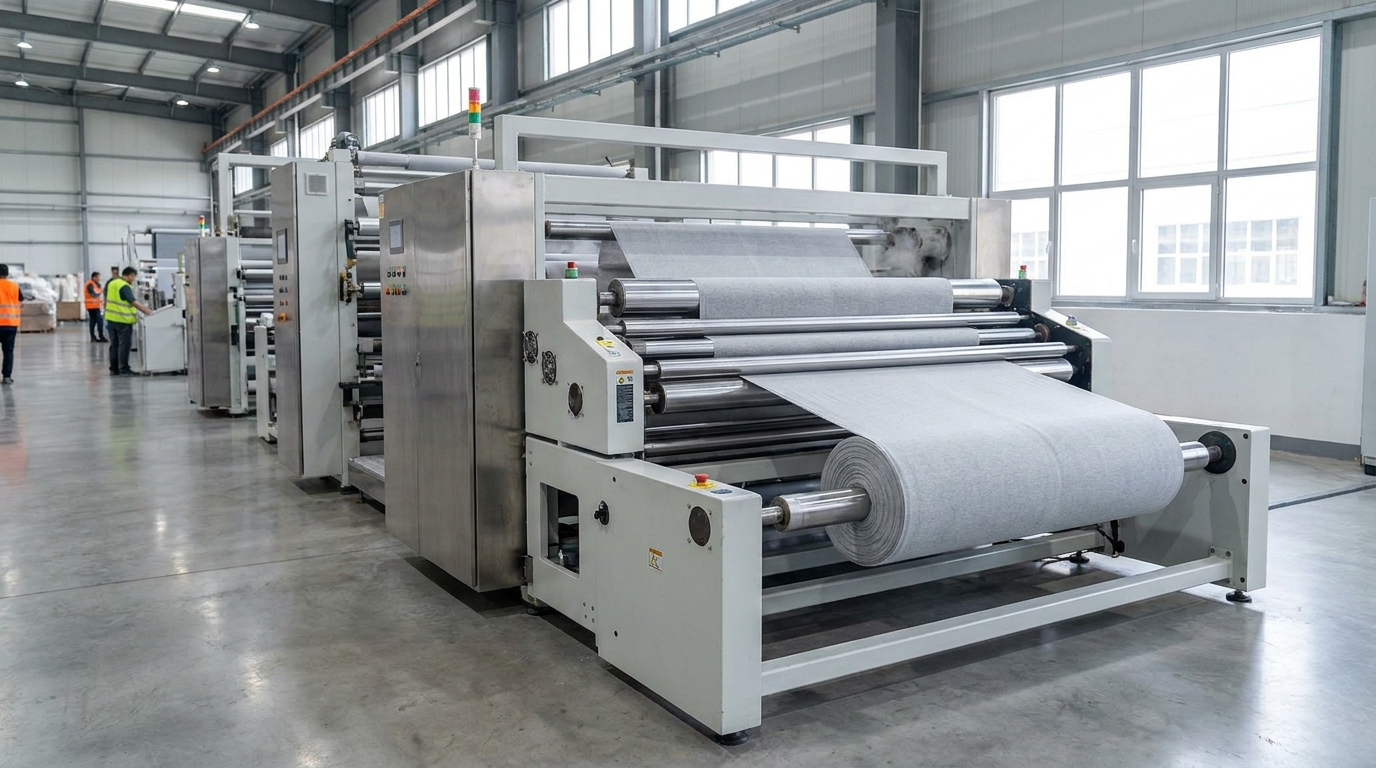
To stop fabrics from shrinking out of control, textile mills rely on specific finishing equipment. An mesin pemadat lebar terbuka is a specialized system designed to stabilize knitted fabrics. It uses heat, moisture, and mechanical pressure to pre-shrink the material. This ensures the fabric maintains its exact shape after consumer washing.
Open-Width vs. Tubular Compacting
You might wonder how this differs from tubular processing. Textile mills often knit fabrics in long, continuous tubes. Tubular compactors process the material in this original round shape. However, modern garment designs frequently require flat fabric for precise cutting.
Open-width systems process the fabric after operators slit the tube open. This flat processing method prevents permanent edge creases. It also provides superior GSM (Grams per Square Meter) control across the entire fabric width.
| Fitur | Open Width Compactor | Tubular Compactor |
|---|---|---|
| Fabric State | Slit and laid flat | Continuous tube |
| Edge Creases | Eliminated completely | Common on folded edges |
| GSM Consistency | Highly uniform across width | Can vary slightly |
| Best Application | High-quality, flat-cut garments | Basic seamless body tees |
Common Fabrics Processed
These machines handle a wide variety of materials. Operators routinely process 100% cotton, viscose, and synthetic knits. They also work perfectly for delicate Lycra blends. SutexMach brings over 30 years of intelligent textile machinery expertise to this field. We know different fibers react uniquely to steam and heat. Modern compactors let operators adjust temperature and pressure settings for specific material blends.
Preparing for Garment Manufacturing
The ultimate goal is preparing fabric for the cutting room. Untreated knits often suffer from bowing and skewing. The compactor forces the fabric loops to relax. It pushes the fibers closer together using thick felt blankets and heated cylinders. This mechanical action locks in the dimensional stability.
Proper processing achieves a tingkat penyusutan mesin pemadat below 5 percent. The machine then cools the fabric to near-ambient temperature. This cooling step permanently sets the compacted state. It guarantees the final t-shirt or dress will not deform later.
Key Compacting Machine Specifications You Need to Know

Once the fabric cools and locks into its final state, the machine’s primary job is done. But achieving this perfect finish requires the right hardware setup. Evaluating standard spesifikasi mesin pemadat ensures your mill operates smoothly. Buyers and operators must look closely at working widths, heating systems, and power requirements. These metrics dictate how well a nomex felt compacting machine handles different fabrics.
Selecting the Right Working Width
Fabric rolls come in various sizes. Your machine must match your specific production needs. Standard working widths typically range from 1800mm to 2600mm. Common machine sizes include 1800mm, 2000mm, 2200mm, 2400mm, and 2600mm.
How do you choose the right one? Always measure the maximum width of your slit fabrics. You want a machine slightly wider than your widest material. This extra space prevents edge damage during processing. An 1800mm unit works perfectly for standard narrow knits. You will need a 2400mm or 2600mm machine for wide home textiles.
Heating Systems and Temperature Control
Heat relaxes the fabric fibers effectively. Compacting machines use different heating mediums to achieve this. You can choose saturated steam, thermal oil, or electric heating. Each option offers specific benefits for your production line.
Steam heating operates at 4 to 6 bar pressure. It consumes about 100 to 150 kg/h of steam. Steam provides excellent moisture for the fabric. This swells the fibers and creates a softer hand. Thermal oil allows for much higher processing speeds. It also provides highly precise temperature control. This precision is vital when reviewing sanforizing machine technical data for synthetics. Electric heating works well for facilities lacking steam infrastructure.
| Sistem Pemanas | Key Characteristics | Best Used For |
|---|---|---|
| Saturated Steam | 4-6 bar pressure, 100-150 kg/h consumption | Softer fabric hand, natural fiber swelling |
| Thermal Oil | High temperature range, highly precise control | High-speed processing, synthetic blends |
| Electric Heating | Independent heating elements, easy setup | Mills without steam or oil boilers |
Power Consumption and Intelligent Automation
Modern textile finishing requires smart energy use. Installed power for these machines ranges from 30 kW to 50 kW. This power runs the drive motors, rollers, and control systems. Efficient power usage keeps production running without overloading facility circuits.
Automation makes daily operation much easier. SutexMach has manufactured intelligent textile machinery since 1985. We integrate advanced PLC controls into every unit. Operators use intuitive touch-screen interfaces for recipe management. These screens handle speed synchronization automatically. You simply select the specific fabric type. The smart system adjusts the operational parameters instantly. This technology guarantees consistent quality across every batch.
The Role of Felt in Compacting: Focus on Nomex Felt Compacting Machine
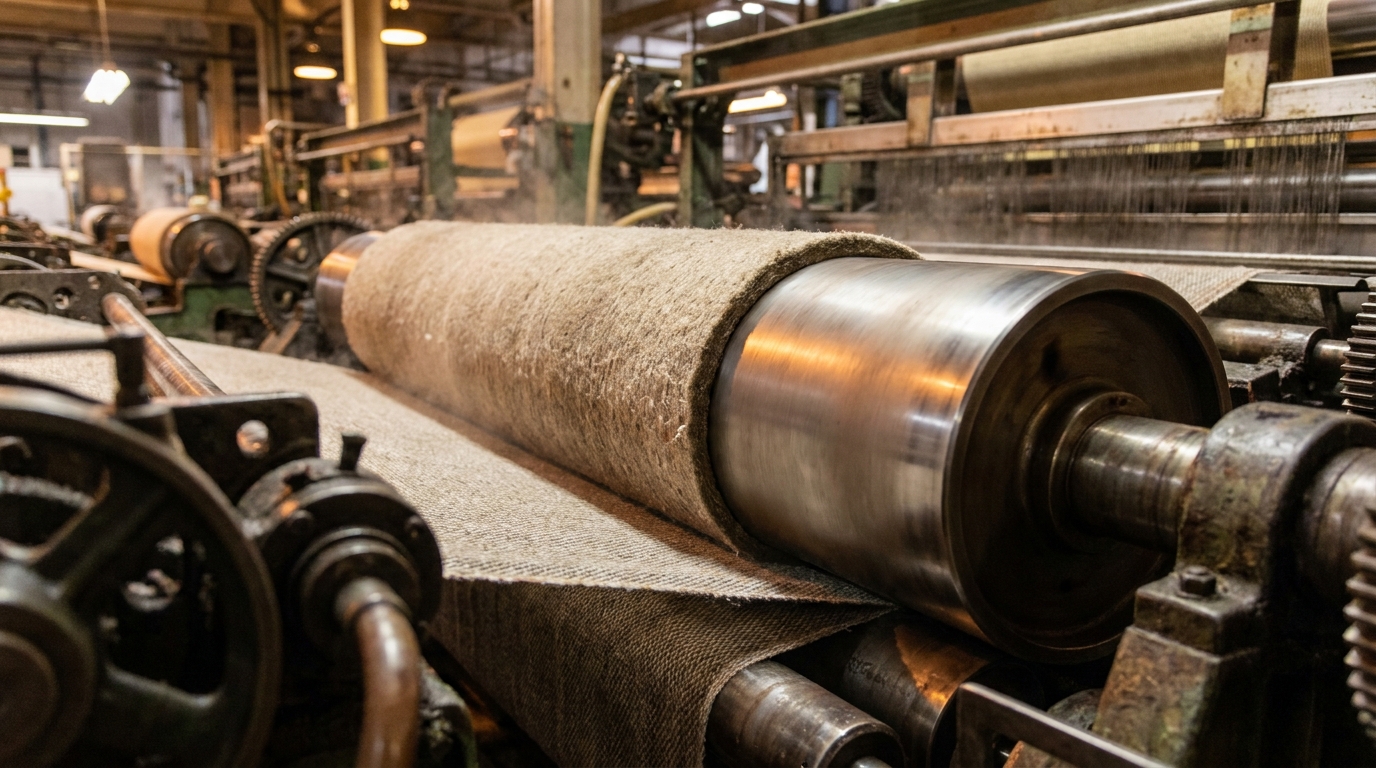
While intelligent PLC controls manage exact temperatures, the physical magic happens where the fabric meets the machine. The felt blanket is the true heart of the system. It directly touches the knitted material during processing. It applies necessary pressure against heated cylinders to lock in dimensional stability. Without a premium felt, even the smartest automation cannot prevent uneven shrinkage.
When evaluating open width compactor machine specifications: felt and speed dictate your final fabric quality. The blanket acts as a flexible, heavy-duty cushion. It grips the fabric gently but firmly. As we covered earlier, moisture and heat relax the fabric loops. The felt then presses these relaxed fibers against the main heated cylinder. This mechanical action physically shrinks the fabric. It guarantees a seamless fabric finish before garment production begins.
Advantages of a Nomex Felt Compacting Machine
Material choice matters immensely when processing fabrics at high temperatures. A nomex felt compacting machine utilizes 100% Nomex (Aramid) fibers. This advanced synthetic material provides exceptional heat resistance. It easily withstands continuous operating temperatures up to 210°C. This high tolerance makes it perfect for thermal oil-heated machines running at maximum speeds.
Nomex also delivers extreme durability. It resists the constant friction and mechanical stress of daily mill operations. Standard polyester blends often degrade quickly under similar conditions. Investing in a high-quality Nomex blanket ensures consistent shrinkage results across thousands of fabric rolls.
Essential Felt Specifications: Thickness and Composition
Understanding the blanket dimensions helps you maintain optimal production quality. Standard compacting felts measure 20mm in thickness. Heavy-duty versions reach 21mm. Operators use these thicker blankets for processing heavy fleece or interlock fabrics. The density must remain uniform to apply even pressure across the entire working width.
You can choose different felt compositions based on your heating system. We recommend matching the felt material directly to your machine’s heat source.
| Felt Composition | Heat Resistance | Ideal Heating System | Best Application |
|---|---|---|---|
| 100% Nomex (Aramid) | Up to 210°C | Thermal Oil | High-speed synthetic processing |
| Nomex/Polyester/Wool Blend | 140°C to 180°C | Saturated Steam | Standard cotton and viscose knits |
Best Practices to Prolong Felt Lifespan
Replacing a felt blanket requires significant downtime. Proper daily maintenance prevents unexpected wear and saves your mill money. At SutexMach, we design our intelligent textile machinery to protect these valuable components. However, operators must still follow strict care routines.
- Prevent Felt Hardening: High heat causes the felt surface to harden over time. Always cool down the machine gradually. Let the cylinders cool before turning off the drive motors. Sudden temperature drops shock and damage the fibers.
- Monitor Tension Settings: Excessive tension stretches the blanket prematurely. Use the machine’s automated tension controls to keep the felt snug but not overstretched.
- Check Tracking Sensors: Regularly inspect the automated felt centering devices. If the blanket shifts off-center, it will rub against the steel machine frame. This quickly tears the delicate edges.
- Keep the Surface Clean: Remove lint, loose threads, and fabric oils daily. Dirt buildup creates a hard, glazed surface on the felt. This glazing ruins the soft fabric hand and reduces shrinkage capacity.
Understanding Machine Speed and Production Efficiency
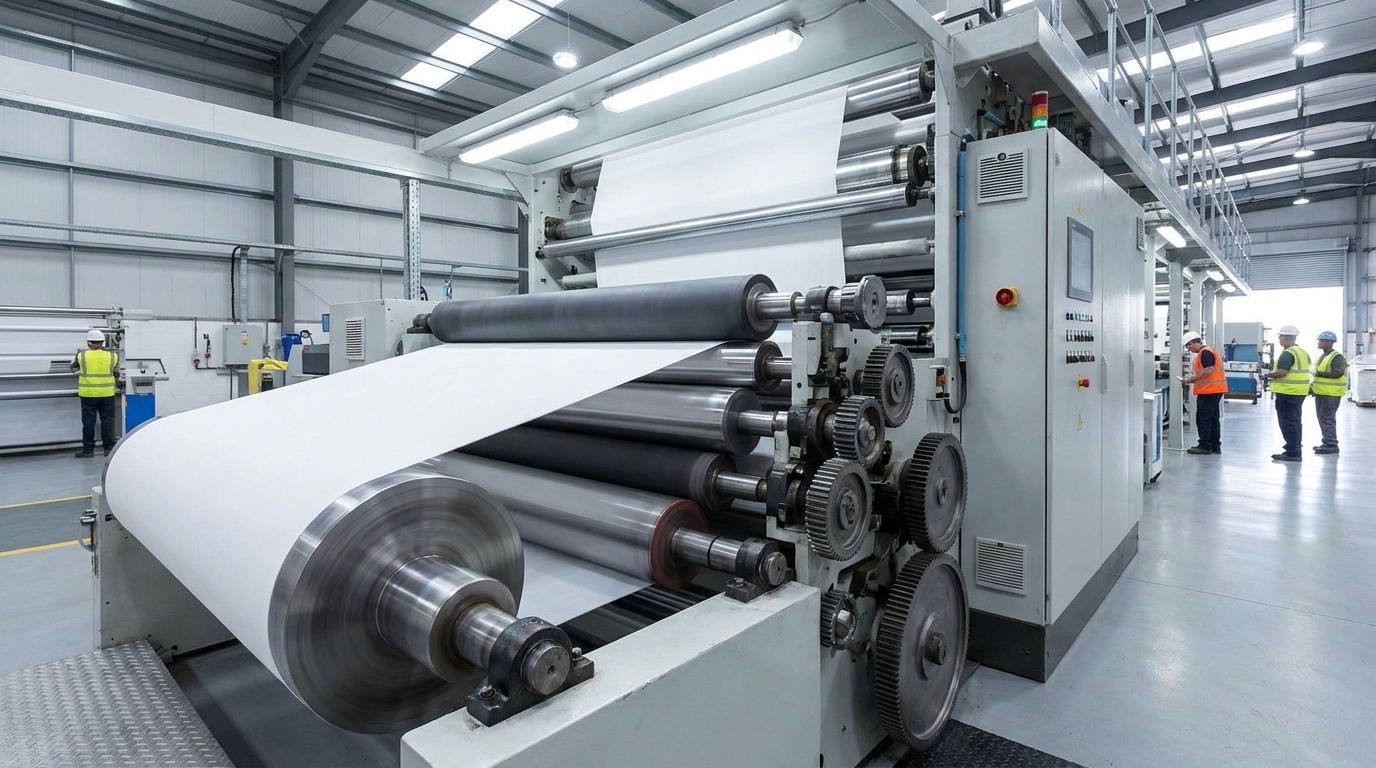
Keeping your felt clean and properly tensioned ensures long-term reliability. Hardware maintenance is only half the equation. You must also master the machine’s running speed. This maximizes your daily output. Let us explore how operating speed impacts final fabric quality.
Typical Running Speeds for Modern Compactors
Reviewing open width compactor machine specifications reveals distinct speed ranges. Standard operating speeds vary from 5 to 50 meters per minute. High-speed models push this limit up to 80 meters per minute. At SutexMach, we have manufactured intelligent textile machinery since 1985. We design our equipment to handle these demanding production rates smoothly. Modern mills require this flexibility to remain competitive.
Matching Speed to Fabric Weight and Moisture
You cannot run every fabric at maximum speed. Fabric type and weight dictate the optimal setting. Heavyweight materials require slower speeds to process correctly. They need adequate time to absorb steam and heat. Lightweight fabrics can process much faster.
Moisture content also plays a critical role here. Steam swells the fibers for proper compaction. If the machine runs too fast, the fabric stays dry. This leads to poor residual shrinkage results. Operators must adjust the overfeed range accordingly. This setting typically adjusts from zero to sixty percent. It feeds extra fabric into the machine faster than the felt speed. This mechanical action gives knitted loops time to relax properly.
| Fabric Weight (GSM) | Recommended Speed Range | Overfeed Requirement |
|---|---|---|
| Lightweight (<150 GSM) | 40 – 60 m/min | High (+40% to +60%) |
| Medium (150 – 250 GSM) | 25 – 40 m/min | Medium (+20% to +40%) |
| Heavyweight (>250 GSM) | 10 – 25 m/min | Low (+5% to +20%) |
The Balance Between Speed, Heat, and Quality
Finding the sweet spot requires careful calibration. Processing speed directly affects cylinder heat transfer. As we covered earlier, thermal oil systems allow for higher speeds. They maintain consistent temperatures much better than steam alone.
A delicate balance exists during this process. Running too fast compromises dimensional stability. Shrinkage might vary between the center and selvedge edges. Running too slow creates entirely different problems. High compacting temperatures can cause fabric yellowing. This often ruins white or light-colored knits. You must consult your specific sanforizing machine technical data. This data helps you set safe temperature limits for different operating speeds.
Strategies for Maximizing Production Efficiency
You want maximum output without sacrificing structural integrity. Smart operators use specific strategies to maintain high efficiency daily.
- Use Automated Controls: Touch-screen PLC interfaces synchronize speeds across all rollers instantly. This eliminates human error during batch changes.
- Monitor Cooling Cylinders: Fabric must reach near-ambient temperature before plaiting. This crucial step locks in the compacted state permanently.
- Adjust Edge Devices: Scroll rollers must flatten edges perfectly. They prevent edge curling before the fabric enters the felt zone.
- Match Overfeed Carefully: Loosely knit fabrics always need higher overfeed percentages. Heavy fleece requires much less overfeed to shrink properly.
Implementing these steps ensures consistent quality across every roll. It keeps your production line moving at a highly efficient pace.
How Specifications Affect the Compacting Machine Shrinkage Rate
Implementing those production strategies does more than just keep your line moving efficiently. It directly controls your ultimate goal: dimensional stability. Understanding how open width compactor machine specifications dictate this outcome is vital. Let us explore exactly how these settings determine your final fabric dimensions.
Defining the Shrinkage Rate
What exactly is the compacting machine shrinkage rate? It measures how much the fabric reduces in length and width during processing. Garment manufacturers rely on this metric heavily. If the fabric shrinks too much after a consumer washes it, the garment loses its shape. This ruins brand reputation and causes customer returns.
The compactor forces this shrinkage to happen mechanically before anyone cuts the fabric. A properly configured machine achieves between 18 and 20 percent mechanical shrinkage during this step. This proactive process guarantees the material will not change size later.
The Interaction of Overfeed, Tension, and Speed
You must balance several settings to hit that target. The overfeed system, felt tension, and running speed work together constantly. These elements physically compress the fabric loops into their final stable state.
As we covered earlier, the overfeed pushes extra fabric onto the felt. If you set the overfeed to +40%, the entry rollers feed the material much faster than the felt moves. This action bunches the fabric loops closely together. The heavy felt blanket then grips these relaxed loops. It presses them firmly against the heated cylinder.
If your felt tension is too tight, it stretches the fabric and counteracts the overfeed. If the speed is too high, the fibers do not absorb enough heat to set properly. You must synchronize these parameters carefully.
| Parameter | Effect on Fabric Loops | Impact on Shrinkage Rate |
|---|---|---|
| High Overfeed (+40% to +60%) | Pushes loops tightly together | Increases mechanical shrinkage significantly |
| High Felt Tension | Stretches fabric longitudinally | Reduces shrinkage, causes uneven edges |
| Fast Operating Speed | Reduces heat and steam exposure | Lowers shrinkage capacity, risks instability |
Meeting Strict Industry Standards
Textile mills must meet strict industry standards daily. High-end knitwear brands demand absolute precision from their suppliers. The ultimate goal is achieving a residual shrinkage of less than 5 percent. Residual shrinkage defines the amount the fabric will still shrink after consumer washing.
Hitting this target requires exact sanforizing machine technical data. You must calibrate the pressure, steam, and speed perfectly for each unique batch. Lightweight fabrics need aggressive mechanical compression to reach this 5 percent threshold. Heavyweight materials often require gentler processing to avoid stiffening the fabric hand.
Intelligent Monitoring for Consistent Results
Maintaining this exact standard across thousands of meters is challenging. Human error easily causes inconsistent shrinkage between the center and selvedge edges. This is where smart technology steps in to protect your production quality.
SutexMach has manufactured intelligent textile machinery since 1985. We integrate advanced PLC monitoring systems into our compactors. These smart systems constantly track felt speed and overfeed ratios. They adjust parameters automatically if they detect slight variations in fabric tension. This technology guarantees predictable and uniform shrinkage rates across massive production batches. It ensures highly reliable dimensional stability every single time you run the machine.
Sanforizing Machine Technical Data vs. Compacting Machine Specs
Hitting strict industry standards for dimensional stability requires the right equipment. While intelligent monitoring keeps compactors running perfectly, you might wonder if other machines do the same job. Many mill operators confuse compacting with sanforizing. Both finishing processes achieve vital mechanical shrinkage. However, they target entirely different fabric structures. Let us explore how sanforizing machine technical data compares directly to open width compactor machine specifications.
Fundamental Differences Between Knits and Wovens
The fundamental difference lies in the fabric type. Textile mills primarily use compacting machines for knitted fabrics. Knits have an interlocking loop structure. They stretch easily and need gentle handling. Sanforizing machines process woven fabrics instead. Wovens feature a crisscross grid of warp and weft threads. They are rigid and require aggressive mechanical force to shrink.
You cannot simply swap these machines on your production line. A compactor will not shrink heavy woven denim effectively. A sanforizer will crush and distort delicate cotton knits.
Mechanical Differences: Rubber Belt vs. Nomex Felt
The physical components also differ drastically. As we covered earlier, compactors use a heavy-duty blanket. This blanket presses the fabric against a heated cylinder. High-quality models use 100% Nomex felts to handle high temperatures. This ensures a soft hand feel for the final garment.
Sanforizing machines use a thick, endless rubber belt instead. This rubber belt stretches over a specialized pressure roller. As the belt curves and snaps back into shape, it forces the woven threads closer together. The rubber exerts massive pressure compared to the softer Nomex felt.
Comparing the Technical Specifications
Comparing the specifications reveals unique operational needs. When you review sanforizing machine technical data, you notice higher pressure requirements. Woven fabrics demand intense squeezing forces to shrink properly. Compacting machine specifications focus more on overfeed ratios and steam penetration. At SutexMach, we have manufactured intelligent textile machinery since 1985. We design our equipment to match these exact mechanical differences perfectly.
| Specification Category | Open Width Compactor | Sanforizing Machine |
|---|---|---|
| Primary Fabric Type | Knitted materials (cotton, blends) | Woven materials (denim, twill) |
| Shrinkage Medium | Heat-resistant Nomex felt | Thick rubber belt |
| Key Mechanism | Overfeed and gentle felt pressure | Rubber belt recoil and heavy pressure |
| Moisture Application | Steam box for fiber swelling | Water spray or heavy steaming |
Choosing the Right Finishing Technology
Choosing the correct finishing technology dictates your mill’s success. You must align your machinery with your specific production goals. If your facility produces t-shirts or activewear, invest in an open width compactor. It preserves the soft fabric feel while locking in dimensional stability.
If you manufacture jeans or dress shirts, you need a sanforizing unit. The heavy rubber belt provides the brute force required for rigid wovens. Always evaluate your primary fabric output before finalizing your equipment purchase.
SutexMach: Over 30 Years of Excellence in Intelligent Textile Machinery
Choosing the right finishing technology dictates your mill’s success. You need a reliable partner to achieve those production goals. Founded in 1985, SutexMach is affiliated to Jiangsu SoHo Honry Import & Export Co., Ltd. We are a professional manufacturer of intelligent textile machinery. We help global fabric mills optimize their production lines daily.
Our team brings over 30 years of hands-on experience to your facility. We specialize in much more than just compacting. We build advanced sueding, calendering, drying, and stenter machines. Our expertise also covers dyeing, warp knitting, dewatering, and air-softening equipment. This deep industry knowledge ensures top-tier machine reliability across your entire factory floor.
As we covered earlier, every fabric type demands specific mechanical settings. We design customized open width compactor solutions for your unique materials. You get equipment built exactly for your specific working widths and heating mediums. We meticulously calibrate open width compactor machine specifications: felt and speed parameters always dictate our engineering process. Whether you need a heavy-duty Nomex blanket or precise overfeed controls, we deliver.
Our engineering team configures every unit to maximize your daily production efficiency.
- Customized Heating: We install steam, thermal oil, or electric systems based on your facility infrastructure.
- Optimized Speed Control: Our PLC interfaces synchronize running speeds perfectly for lightweight or heavyweight knits.
- Premium Felt Integration: We supply highly durable blankets to match your exact operating temperatures.
- Intelligent Automation: Smart sensors monitor tracking and tension to prevent premature blanket wear.
Kesimpulan
Felt quality and machine speed define your open width compactor performance. Precise control over these settings ensures superior fabric quality. It also reduces material waste significantly. Partner with SutexMach to upgrade your textile finishing process. We provide intelligent machinery backed by over 30 years of expertise.
- Review your current machine speed settings today.
- Inspect your Nomex felt for wear regularly.
- Contact SutexMach for custom equipment upgrades.
Frequently Asked Questions About Open Width Compactor Machines
How does machine speed affect fabric shrinkage?
Standard speeds range from 5 to 50 meters per minute. High-speed models can even reach up to 80 meters per minute. However, running the machine too fast can reduce shrinkage quality. You must find the perfect balance for your fabric type. Slower speeds allow the steam and heat to work properly. This gives the fabric enough time to relax and shrink. Proper speed control ensures your fabric stays stable over time.
What type of felt is best for high heat?
A 100% Nomex felt is the best choice for high temperatures. This strong material can withstand extreme heat up to 210°C. It works perfectly for oil-heated machines that process heavy fabrics. For lower temperatures, you can use a polyester and wool blend. These standard blends easily handle heat between 140°C and 180°C. Nomex felts cost more but offer much better long-term durability.
How do open-width compactors handle curling fabric edges?
Knit fabrics often curl at the edges before entering the felt. Open-width compactors use special scroll rollers to solve this problem. These rollers gently uncurl the edges as the fabric moves. A centering device also keeps the material perfectly aligned. This ensures the fabric feeds smoothly into the heating zone. Flat edges prevent uneven shrinkage and improve the final quality.
Why does shrinkage vary across the fabric width?
Uneven shrinkage usually happens when the felt blanket shifts sideways. If the tension is wrong, the center and edges shrink differently. You must regularly check the felt tracking sensors during operation. These sensors stop the blanket from rubbing against the frame. Applying the correct steam pressure also helps keep shrinkage even. Proper maintenance keeps your fabric dimensions consistent from edge to edge.
Why choose SutexMach for your textile processing needs?
SutexMach has been building intelligent textile machinery since 1985. We have over 30 years of experience helping global fabric mills. Our team makes reliable drying, stenter, and dyeing machines. We focus on giving you high-quality equipment for your factory. You can trust our machines to handle your fabrics perfectly. We help you achieve the best results for your textile business.
- Inspect your machine’s felt tracking sensors before starting any production run.
- Upgrade to a 100% Nomex felt if you process fabrics above 180°C.
- Adjust the overfeed settings when switching from heavy fleece to lightweight knits.
- Contact the SutexMach team to find the best equipment for your mill.
Open-width compactors use heat, steam, and felt blankets to shrink fabrics. You can adjust the machine speed and overfeed for different materials. Nomex felts provide excellent durability for high-temperature processing tasks. Proper maintenance stops edge curling and prevents uneven fabric shrinkage. SutexMach offers expert textile machinery solutions backed by decades of experience. Controlling your felt and speed settings ensures high-quality textile production.